

Drowning
Statistics
Explore key drowning statistics to understand the risks, recognize patterns, and learn why prevention and water safety education are so important.
Drowning
Statistics
Explore key drowning statistics to understand the risks, recognize patterns, and learn why prevention and water safety education are so important.
Drowning Facts, Statistics & Prevention
Drowning is a leading cause of preventable death in the United States, especially among children. Understanding the facts, recognizing risk factors, and practicing proven water safety strategies are critical steps in preventing drowning and protecting families.
Drowning Statistics in the United States
Drowning remains one of the most serious water safety threats facing children today.
- Children ages 1–4: Drowning is the leading cause of death for this age group.
- Children ages 5–14: Drowning is the second leading cause of unintentional injury death.
- United States overall: Each year, more than 4,000 people die from unintentional drowning.
These statistics show how quickly water-related accidents can occur—and why prevention and education are so important.
Why Drowning Happens
Many drowning incidents happen quietly and in just minutes. They often occur in everyday places such as:
- Backyard swimming pools
- Lakes and rivers
- Beaches and oceans
- Bathtubs
- Community pools and water parks
In many cases, drowning occurs when multiple safety barriers fail, such as lack of supervision, limited swimming ability, or absence of pool barriers.
How to Prevent Drowning
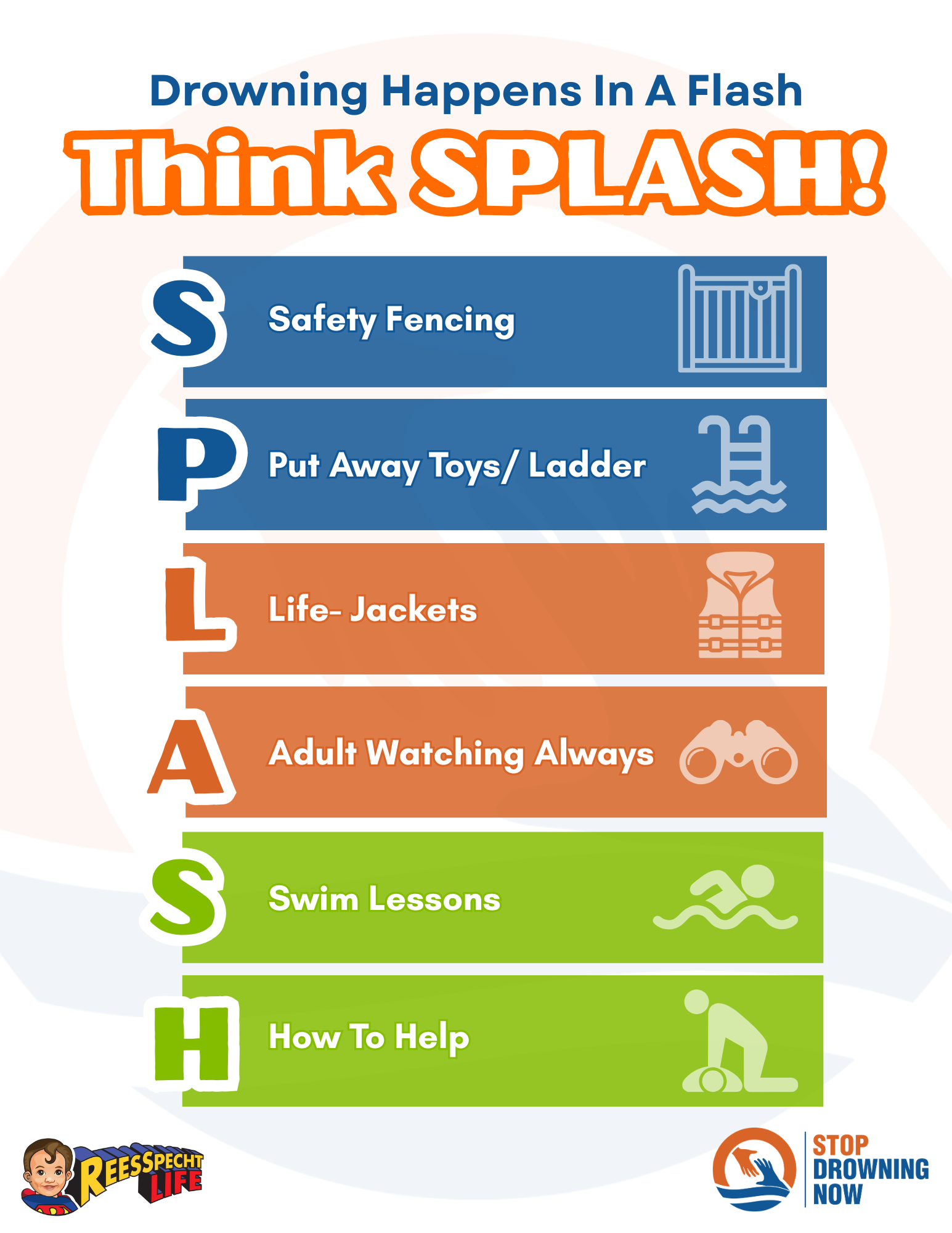
The good news is that drowning is preventable. We recommend using SPLASH to remember the Layers of Protection.
Key drowning prevention strategies include:
- Active adult supervision whenever children are near water
- Swim lessons and water competency training for children and adults
- Pool barriers, including four-sided fencing with self-latching gates
- Life jackets when boating or swimming in open water
- Water safety education for families, schools, and communities
- Learning CPR and emergency response skills
Using several layers of protection significantly reduces the risk of drowning and creates safer aquatic environments. One layer isn’t enough. Stack them all, and you stack the odds against drowning.
Our Mission to Prevent Drowning
At Stop Drowning Now, we are committed to raising awareness about drowning prevention through education, advocacy, and community outreach. By sharing accurate drowning statistics and promoting water safety practices, we aim to help families and communities prevent tragedies before they happen.
Every child deserves the chance to enjoy the water safely. Through awareness, education, and action, we can work together to reduce drowning and save lives.
All facts, statistics, and information from the Center of Disease Control's website.
To learn more about drowning from the current data, check out these links

What is drowning?
Drowning is. . .
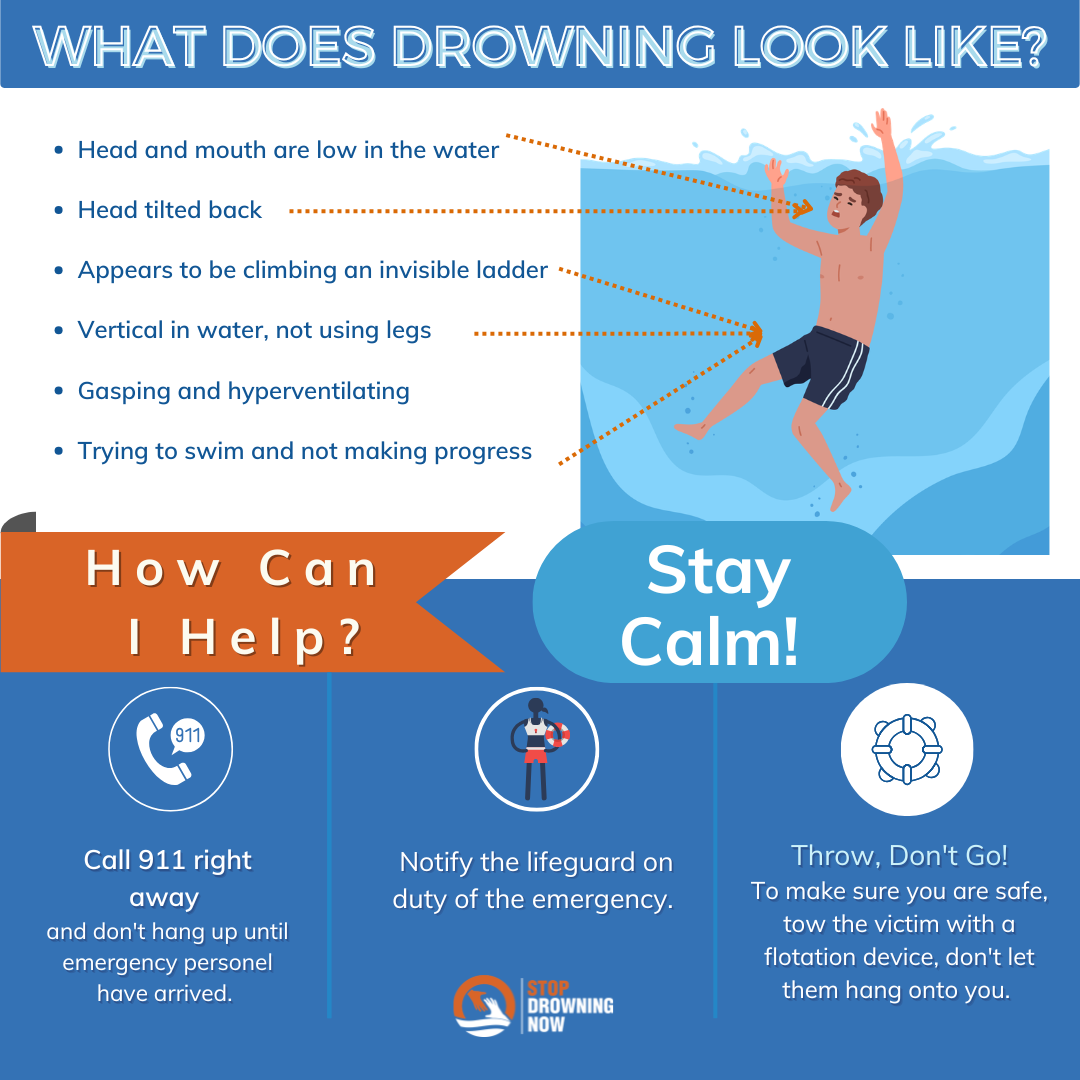
the process of experiencing respiratory impairment from submersion or immersion in liquid. It occurs when a person’s nose and mouth are underwater, preventing them from breathing. Drowning does not always result in death.
Fatal drowning occurs when a drowning incident results in death.
Nonfatal drowning occurs when a person survives a drowning incident. Outcomes can range from no lasting injury to serious complications, including brain damage or permanent disability.
The Facts:
Every year in the United States, there are an estimated
- More children ages 1–4 die from drowning than from any other cause of death.
- For children ages 5–14, drowning is the second leading cause of unintentional injury death after motor vehicle crashes.
- 4,000 fatal unintentional drownings—
- That is an average of 11 drowning deaths per day.
- 8,000 nonfatal drownings—
- That is an average of 22 nonfatal drownings per day.
- Drowning doesn’t always result in death. Drowning can cause hypoxic brain injury with moderate to severe impacts on quality of life and health outcomes.
- Nearly 40% of drownings treated in emergency departments require hospitalization, transfer, or further care (compared with 10% for all unintentional injuries).
- For every fatal childhood drowning, another 7 to 8 receive emergency department care for non-fatal drowning.
Drowning Facts by Age & Location
Drowning risks vary by age group, environment, and level of supervision. Understanding where and how drownings occur can help families take the right prevention measures.
- Nearly 70% of toddler drownings occur during non-swim time, when children unexpectedly access water (Source: Safe Kids Worldwide).
- 88% of children who drown had at least one adult present, highlighting how quickly and quietly drowning can occur (Source: Safe Kids Worldwide).
- Over 75% of bathtub and shower-related drowning fatalities involve children under age five, and 90% occur when children are not supervised by a responsible adult (Source: U.S. Consumer Product Safety Commission).
- Infants are most likely to drown in the home, particularly in bathtubs, but also in buckets, toilets, dog bowls, and other containers holding water.
- Children ages 1–4 most often drown in pools or nearby bodies of water, such as retention ponds, lakes, rivers, or canals.
- Black/African American children ages 5–14 drown in swimming pools at significantly higher rates than their same-aged peers.
- Most teen and adult drownings occur in natural or open water, including lakes, rivers, ponds, and oceans.
- Children and adults with autism or intellectual disabilities face a significantly higher risk of drowning.
- Drowning is the second leading cause of unintentional injury death in children ages 5-14, following motor vehicle crashes. This age group sees high disparities in drowning rates among African American and Black children.
- The drowning rate for males at age 15 nearly triples. Drowning is the third leading cause of injury death for ages 15-24, following motor vehicle crashes and falls.
Risk Factors:
U.S. Populations at Increased Risk of Drowning
Children
- Ages 1–4: Drowning is the leading cause of death. Most incidents occur in home swimming pools.
- Ages 5–14: Drowning is the second leading cause of unintentional injury death, after motor vehicle crashes.
- Children can drown quickly and silently, even when water access is unexpected or unsupervised.
Males
- Nearly 80% of drowning deaths involve males, often linked to greater water exposure, risk-taking behaviors, and alcohol use.
People with Certain Medical Conditions
- Seizure disorders (e.g., epilepsy) significantly increase drowning risk; bathtubs are the most common location.
- Heart conditions are also associated with a higher risk of drowning.
Autism Spectrum Disorder (ASD)
- Individuals with ASD are nearly 40 times more likely to die from drowning than the general population.
Factors That Increase Drowning Risk
Limited Swimming Ability
- Many adults and children report they cannot swim or are weak swimmers.
- Formal swim lessons can significantly reduce drowning risk.
Lack of Supervision
- Drowning can occur quickly and quietly in pools, lakes, bathtubs, or even small containers of water.
Not Wearing Life Jackets
- Life jackets are critical during boating and open water activities.
- In boating fatalities, most victims were not wearing life jackets.
Alcohol or Drug Use
- Alcohol is involved in many water-related deaths and emergencies, impairing balance, coordination, and judgment.
- Certain medications and drugs may also increase drowning risk by affecting awareness or motor skills.
High-Risk Locations
Bathtubs
- About 75% of infant drownings occur in bathtubs.
Home Swimming Pools
- The most common drowning location for children ages 1–4.
- Four-sided isolation fencing can reduce a child’s drowning risk by up to 83%.
Natural Water (Lakes, Rivers, Oceans)
- Over 40% of drownings among children 5–14 occur in natural water.
- Nearly half of adult drowning deaths happen in open water environments.
Make a difference.
80% of all donations = local impact!
Your donation fuels educational programs and community outreach in your neighborhoods.