
Key Takeaways Water competency combines survival skills, water awareness, and safe decision-making. Children should learn to enter, float, turn, swim, and exit safely. Water-competent children know how to help without entering the water. Swim lessons work best alongside active supervision and regular practice. No child becomes drown-proof, no matter their swimming ability. According to the Centers for Disease Control and Prevention (CDC), drowning remains the leading cause of death for children ages 1 through 4 in the United States. Many parents assume that basic swim lessons automatically guarantee a child's safety in the water. However, mastering standard swim strokes is only one part of aquatic safety. True protection requires water competency: a dynamic combination of physical survival skills, environmental awareness, and safe water habits that empower children to survive unexpected emergencies. What Is Water Competency? Water competency involves much more than swimming laps across a calm pool. Stop Drowning Now identifies three essential pillars: physical water skills, water smarts, and the ability to help others. Together, these pillars help children develop the confidence, stamina, and judgment to respond when they fall into a pool, encounter a sudden drop-off in a lake, or face another unexpected water hazard. Five Water Skills Every Child Needs Children should learn five foundational water skills: Safe Entry and Exit: Enter deep water, return to the surface, locate an exit, and climb out without a ladder. Breath Control: Submerge, hold their breath, and exhale smoothly underwater. Floating and Treading: Stay above water while resting, breathing, or calling for help. Turning: Reorient toward a pool wall, boat, or shoreline. Swimming to Safety: Swim at least 25 yards with controlled breathing. Children should eventually complete these skills in sequence without stopping. Appropriate goals will vary based on each child’s age, health, development, and experience. Water Safety Includes Smart Decisions Physical ability alone doesn’t make a child water competent. Children also need to recognize hazards and follow safety rules in pools, lakes, rivers, oceans, and water parks. Teach your child to: Ask an adult before entering or approaching water. Swim with a buddy and near a lifeguard whenever possible. Walk around pools instead of running. Stay away from drains and suction outlets. Check water depth before entering. Wear a properly fitted life jacket during boating and around natural water when appropriate. Leave the water when weather, waves, currents, or visibility create unsafe conditions. Rules become easier to remember when families discuss them before every outing. Ask your child what hazards they notice and where they would exit the water in an emergency. Those simple conversations strengthen awareness in different environments. Learning How to Help Others Safely Water competency also includes helping peers in trouble without putting yourself in danger. Young swimmers often attempt to rescue struggling friends impulsively, which can lead to double drownings. Teaching children safe helper habits protects everyone around the water: Recognize Drowning Signs: Children should learn that a drowning person rarely splashes or screams for help. Instead, struggling swimmers often remain upright, bob quietly, or gasp for air. Reach or Throw, Don't Go: Instructors teach children to throw a buoyant object, such as a ring buoy, life jacket, or noodle, or reach with a pole or towel rather than jumping into the water to rescue someone. Call for Help Immediately: Children must know how to yell for adult assistance or dial 911 immediately during an aquatic emergency. Choose Swim Lessons That Teach Survival Skills The American Academy of Pediatrics (AAP) recommends swim lessons once children are developmentally ready. Readiness varies, so parents should consider a child’s emotional maturity, physical abilities, comfort around water, and any health or developmental needs. Look for a program with trained instructors, appropriate class sizes, and a clear progression of skills. Quality lessons should teach children to enter, surface, float, turn, swim, and exit, not just focus on strokes. Stay involved after enrollment. Ask the instructor which skills your child can do independently and which need more practice. Continue lessons until your child demonstrates competence consistently across multiple situations. Make Water Safety Part of Family Life Water competency develops over time. Children need instruction, repetition, and opportunities to practice in different conditions under qualified supervision. Even strong swimmers should review safety rules and continue building endurance as they grow. Stop Drowning Now provides free resources that help parents, educators, and communities teach children how to stay safer in, on, and around water. Explore these tools, enroll your child in high-quality swim lessons, and practice water-safety habits as a family. Every skill learned adds another valuable layer of protection.
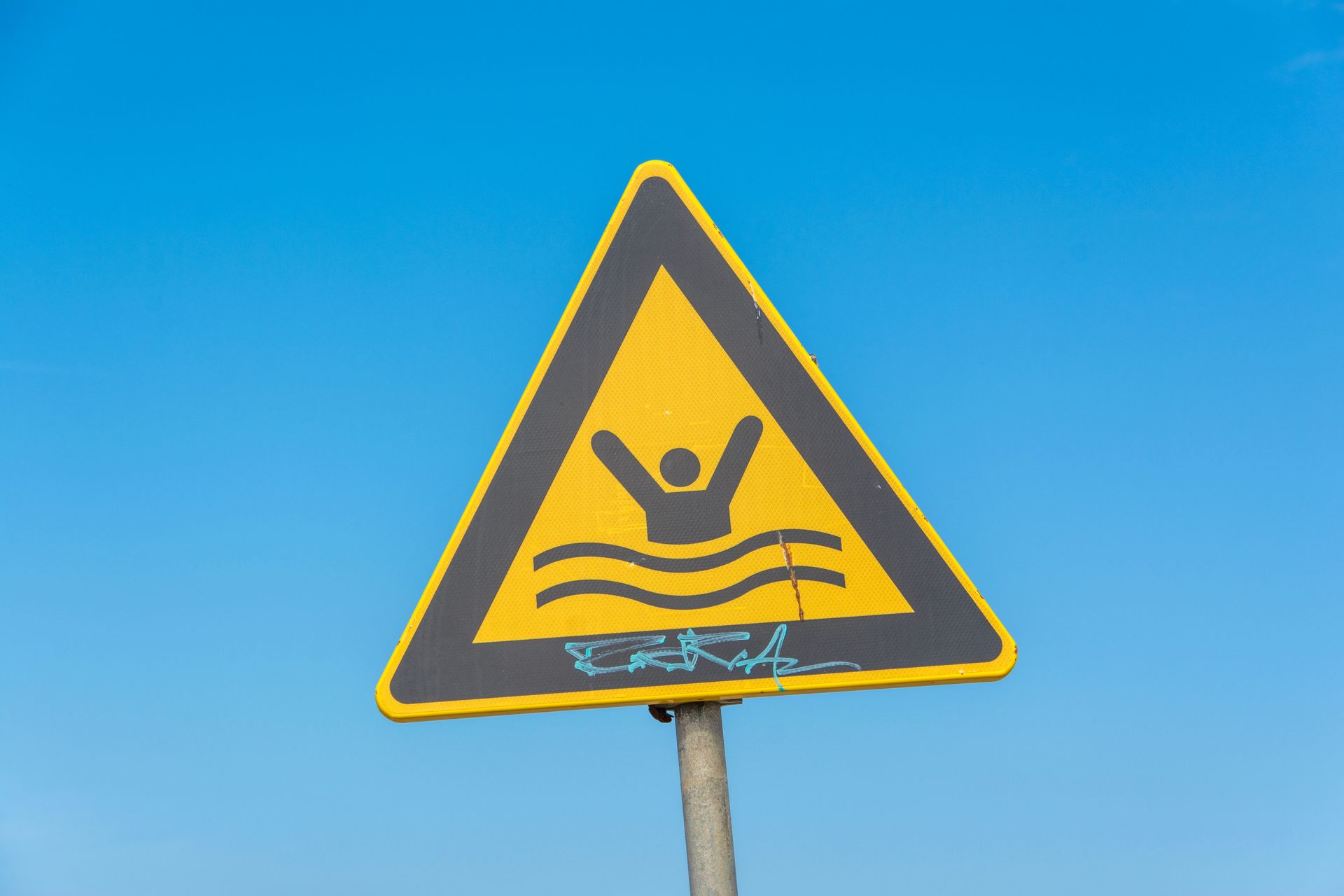
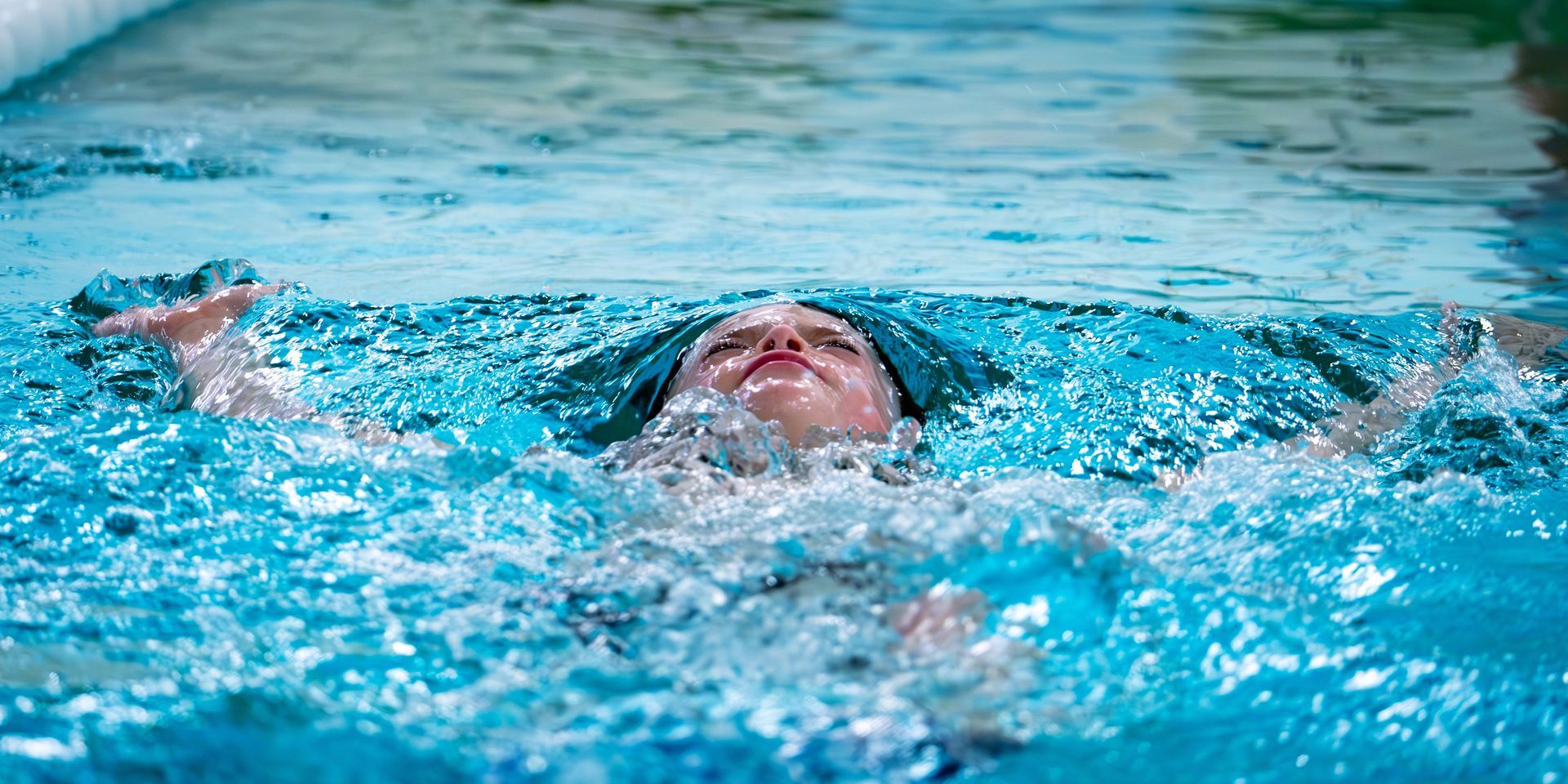
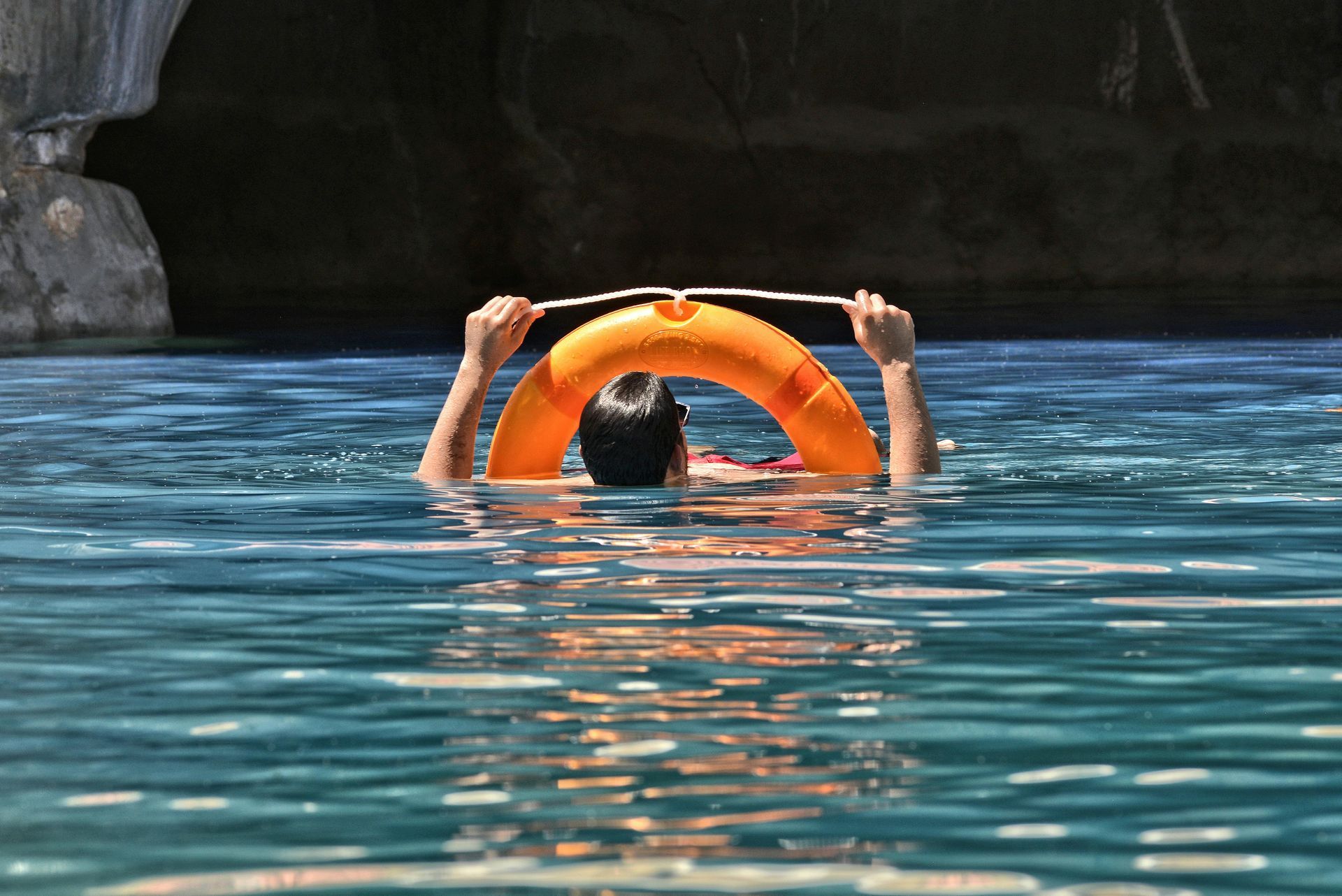
Key Takeaways Drowning often happens quickly and silently. Call 911 and locate rescue equipment immediately. Reach or throw a flotation device instead of entering the water. Begin CPR with rescue breaths when the person is not breathing normally. Seek medical care after every nonfatal drowning emergency. More than 4,000 people die from unintentional drowning in the United States each year . Do you know what to do if you see someone drowning? Knowing what to do before emergency responders arrive can improve a person’s chance of survival. Drowning doesn’t look like the dramatic, splashing scenes that Hollywood movies depict. Instead, it happens silently, quickly, and unexpectedly. If you find yourself in a position to help, following a clear action plan reduces panic and guides critical decisions. Here is a comprehensive, step-by-step guide on what to do when someone is drowning. Step 1: Recognize the Silent Signs of Drowning Before taking action, you must recognize that someone needs rescue. A drowning person rarely yells, waves, or splashes. Respiratory distress prevents them from calling for help because the human body prioritizes breathing over speaking. Watch for these critical warning signs: Silence or an inability to call out for help Head tilted back with eyes closed, unfocused, or glassy Floating upright vertically in the water without using legs Hyperventilating, gasping for air, or bobbing up and down at surface level Hair hanging over the face or eyes without the person attempting to push it away Step 2: Call 911 and Get Rescue Equipment Direct one person to call 911 and, if an AED is available nearby, send another person to retrieve it. If you’re alone, call 911 on speakerphone and follow the dispatcher’s instructions. If you can’t call while providing care, give about two minutes of care before leaving to contact emergency medical services. Step 3: Reach or Throw, Don't Go First responders and water safety experts strongly recommend the Reach or Throw, Don't Go rule. Entering the water without specialized training puts your own life at risk, as a panicking swimmer will naturally submerge anyone who attempts a rescue. Try these safe rescue methods first: Reach: Extend a sturdy object such as a shepherd's crook, a long pole, a tree branch, or a secure towel to the person. Secure your footing on dry land before extending the object. Throw: Cast a buoyant safety device toward the victim. Throw a ring buoy, a life jacket, or a floating cushion attached to a line. Row: Use a boat, kayak, or paddleboard to reach the individual safely if distance prevents throwing an object. Only enter the water as an absolute last resort. Step 4: Safely Remove the Person From the Water Bring the victim safely to dry ground or aboard a vessel as quickly as possible. Support their head, neck, and spine if you suspect a diving accident or spinal injury. Keep the head level with the body to minimize unnecessary movement during transport. Step 5: Check Breathing and Perform CPR Place the individual flat on their back on a firm surface once you reach land. Check for responsiveness and breathing by looking closely at their chest for movement. If the person remains unresponsive and is not breathing normally, begin CPR (Cardiopulmonary Resuscitation) immediately. The American Heart Association emphasizes that drowning CPR differs from standard cardiac CPR . Because oxygen deprivation causes drowning distress, rescuers must deliver rescue breaths first. Follow these basic CPR steps: Tilt the person's head back slightly and lift the chin to open the airway. Pinch the nose shut and give two full rescue breaths, watching for the chest to rise. Place both hands in the center of the chest and deliver 30 rapid chest compressions. Alternate between two rescue breaths and 30 chest compressions until emergency medical services arrive or the person begins breathing. Step 6: Provide Post-Rescue Care Even if the person regains consciousness, monitor them closely until medical professionals arrive. Cover the individual with warm blankets, jackets, or towels to prevent hypothermia and shock. Turn the victim onto their side in the recovery position if they vomit or cough up water. Always insist on a thorough medical evaluation at a hospital after any near-drowning incident. Complications such as fluid accumulation in the lungs can develop hours after the initial rescue. Train Now So You Can Act Quickly in an Emergency Quick action can save a life during a drowning emergency, but preparation matters long before anyone enters the water. Learn CPR, practice safe rescue techniques, and stay alert whenever people swim. Stop Drowning Now offers water safety education and prevention resources that can help families, schools, and communities build lifesaving skills and reduce preventable drowning deaths. When you donate to Stop Drowning Now , you help prevent drowning by funding our water safety outreach programs, including initiatives targeting schools and community groups to keep everyone safe. Check out our free resources for parents and educators to assess your family’s or community’s water safety readiness.
Key Takeaways Drowning is the No. 1 cause of death for children ages 1–4 in the United States, according to the CDC . Four-sided pool fencing with a self-latching gate reduces a child's risk of drowning by up to 83% compared to three-sided fencing, per a Cochrane review . Floaties and inflatable toys are not safety devices. Only US Coast Guard-approved life jackets provide reliable protection. Knowing CPR matters. Brain damage can begin in as few as four to six minutes without oxygen, long before emergency responders arrive. A quick pre-season pool safety walkthrough takes about five minutes and can save a life. For many families, summer brings the promise of sun-drenched afternoons, sticky popsicle fingers, and the joyful sound of children splashing in the backyard pool. If you’re fortunate enough to have a pool, you should know it comes with responsibility. Before you fill the cooler and invite the neighbors over, take five minutes to walk through your pool setup with fresh eyes. You don't need a long checklist or hours of technical training to secure your pool. You need a focused, honest look at the layers of protection standing between your children and the water. Here's how to do it. Steps for a 5 Minute Pool Safety Check Secure the Perimeter (Gates and Fences): Start by inspecting your pool fence. Look for gaps, loose latches, damaged sections, or anything a curious child could squeeze through or climb over. Research shows that four-sided fencing with a self-latching gate that completely separates the pool from the house reduces the risk of child drowning by 73% to 83% compared to three-sided fencing. Many drownings occur when children access the pool through the home. The American Academy of Pediatrics and the Centers for Disease Control and Prevention recommend a fence at least four feet tall , with openings no wider than four inches and a self-closing, self-latching gate. Test the latch now. If it doesn't close and lock automatically every time, repair it before swim season begins. Test the Tech (Alarms and Sensors): Open the back door to trigger your exit alarm. The siren should sound immediately and loudly enough to startle you. If the sound chirps or fails to activate, swap out the batteries right away. Next, inspect your underwater pool alarm if you use one. Drop a plastic jug or a ball into the water to simulate a surface disturbance. A functional sensor will immediately broadcast an alert to your indoor receiver. These digital eyes can help keep watch when human eyes blink. Audit the Infrastructure (Drains and Covers): Walk to the edge of the pool and look down into the water. Your pool's suction outlets pose hidden hazards if not properly maintained. Examine the main drain covers at the bottom of the pool and the covers inside the skimmer boxes. Safe drains feature domed, anti-entrapment covers that comply with federal safety regulations. Ensure you tightly screw down these covers, keeping them flat and entirely free of cracks. Broken or missing drain covers can trap a child underwater with immense force. If you notice a cracked cover, forbid swimming immediately until a certified professional replaces the part. Ditch the Floaties, Know Your Life Jackets: Scan your pool deck for inflatables, arm floaties, swim rings, and the cute duck-shaped pool toys. Understand that they are recreational fun, not safety equipment . Water wings and inflatable toys provide no reliable protection and can give children (and parents) a false sense of security. The only flotation device that counts in an emergency is a US Coast Guard-approved life jacket , sized correctly for your child's weight. Pull yours out of storage right now. Check that the buckles and straps work, confirm the fit, and replace anything that looks worn, compressed, or outdated. Set Up Your Poolside Emergency Kit: Walk to your pool deck and ask: “If something went wrong in the next 60 seconds, what do you have to respond with?” Every pool area should have a few basic items within arm's reach: A fully charged phone to call 911 A reaching pole or throw ring for non-contact rescue A visible first aid kit CPR instructions posted where any adult can see them Speaking of CPR, when did you last practice it? The American Red Cross strongly recommends that all pool-owning families get certified. Brain damage can begin in as few as four to six minutes without oxygen, and emergency response times often exceed that window. Knowing hands-only CPR costs an afternoon and could be the most important skill you ever use. Protect Your Summer Fun A five-minute pool safety check can help prevent tragedy. Inspect your fence, test the gate latch, stock safety equipment, and review pool rules before swim season begins. The need is real. More than 4,000 people drown each year in the US . Drowning is the leading cause of death for children ages 1-4 and the second leading cause of unintentional injury death for children ages 5-14. Most drownings are preventable. Layers of protection, including proper fencing, close supervision, life jackets, CPR readiness, and safe post-swim habits, work together to keep families safe. When you donate to Stop Drowning Now , you help prevent drowning by funding our water safety outreach programs, including initiatives targeting schools and community groups to keep everyone safe. Check out our free resources for parents and educators to assess your family’s or community’s water safety readiness. Take five minutes today. Check the gate, review your safety plan, and enjoy a safer summer.
Every May, a nationwide call to action reminds families and communities that water can be dangerous, and drowning is largely preventable . National Water Safety Month , led by the Pool & Hot Tub Alliance with support from the American Red Cross, the National Drowning Prevention Alliance, the National Recreation and Park Association, and the World Waterpark Association, encourages people to pause, learn, and act before summer water activities ramp up. Whether your family spends time at a pool, heads to the beach, or lives near a lake, understanding the basics of water safety could save a life . Why National Water Safety Month Matters Sobering data backs the urgency behind the campaign. Over 4,000 people drowned each year in the United States from 2020 to 2022, according to the most recent information available — roughly 500 more drowning deaths annually compared to 2019. More children ages 1 to 4 die from drowning than from any other cause of death, and drowning ranks as the second leading cause of unintentional injury death for children ages 5 to 14. According to a May 2024 Vital Signs report from the Centers for Disease Control and Prevention (CDC), nearly 40 million US adults (15.4%) cannot swim , and more than half (54.7%) have never taken a swimming lesson. The data point to a significant gap in water competency, with higher rates of non-swimmers among Black adults (36.8%) and adults ages 65 and older. How Swim Lessons Help Prevent Drowning Swim lessons are among the most effective tools families have against drowning. Formal swim lessons can reduce the risk of drowning by as much as 88% , which is why both the American Academy of Pediatrics and the CDC recommend that most children enroll in formal lessons as soon as they are developmentally ready. Yet access remains a serious barrier. The American Red Cross reports that 79% of children in households earning less than $50,000 annually have few to no swimming skills . To help address this gap, the CDC Foundation and CDC, with financial support from Bloomberg Philanthropies, developed an initiative funding 20 community-serving organizations across the country to offer no-cost and low-cost swimming and water safety classes to kids ages 6 to 15. Families looking for affordable options can also explore local YMCAs, parks and recreation departments, and the American Red Cross swim lesson locator for programs near them. Lessons are available for every age, including adults who never learned to swim as children. Water Safety Tips Every Family Should Know Awareness alone doesn’t prevent drowning; habits and preparation do. No single step works alone; instead, experts recommend a layers-of-protection approach: barriers, supervision, water competency, life jackets, and emergency readiness. Together, they save lives. Start with these essentials: Assign a water watcher: One adult with eyes on the water at all times, with no distractions. Install barriers: Four-foot fencing with self-closing, self-latching gates. Use proper life jackets: Choose U.S. Coast Guard-approved devices, not floaties. Learn CPR : It can save a life before help arrives. Avoid alcohol near water: It impairs judgment and increases risk. Swim where lifeguards are present: Drowning is far less likely in supervised areas. Drowning Happens Quickly and Quietly Most people picture a drowning as a loud, splashing emergency. The reality looks nothing like that, and the misconception costs lives. Drowning can happen in as little as 20 to 60 seconds , and it is often completely silent. A struggling swimmer rarely can wave or call for help; the body's instinct is to keep the airway above water. Bystanders nearby may not notice anything is wrong until it is too late. A caregiver looking at a phone, answering the door, or briefly stepping away represents the most common scenario behind childhood drowning deaths. Additionally, 67% of drownings occur in natural bodies of water like lakes, rivers, and oceans , environments where currents, limited visibility, and changing conditions add risk layers that controlled pools do not. Cold water temperatures and hidden drop-offs make natural settings especially dangerous for children and weaker swimmers. Speed and silence define drowning. Preparation and supervision are the only reliable counters. Make Water Safety a Family Tradition National Water Safety Month is the perfect time to discuss water safety rules with your children. Teach them never to swim alone, to ask for permission before entering the water, and to stay away from pool drains. Consistent education fosters a culture of safety. By implementing these layers of protection, you create a secure environment where your family can enjoy the water all season long. Drowning prevention starts with your commitment to vigilance, preparation, and education. Together, we can end the heartache of losing a loved one due to drowning. Your gift helps Stop Drowning Now prevent drowning by funding our water safety outreach programs, including initiatives targeting schools and community groups to keep everyone safe. Check out our free resources for parents and educators to assess your family’s or community’s water safety readiness.
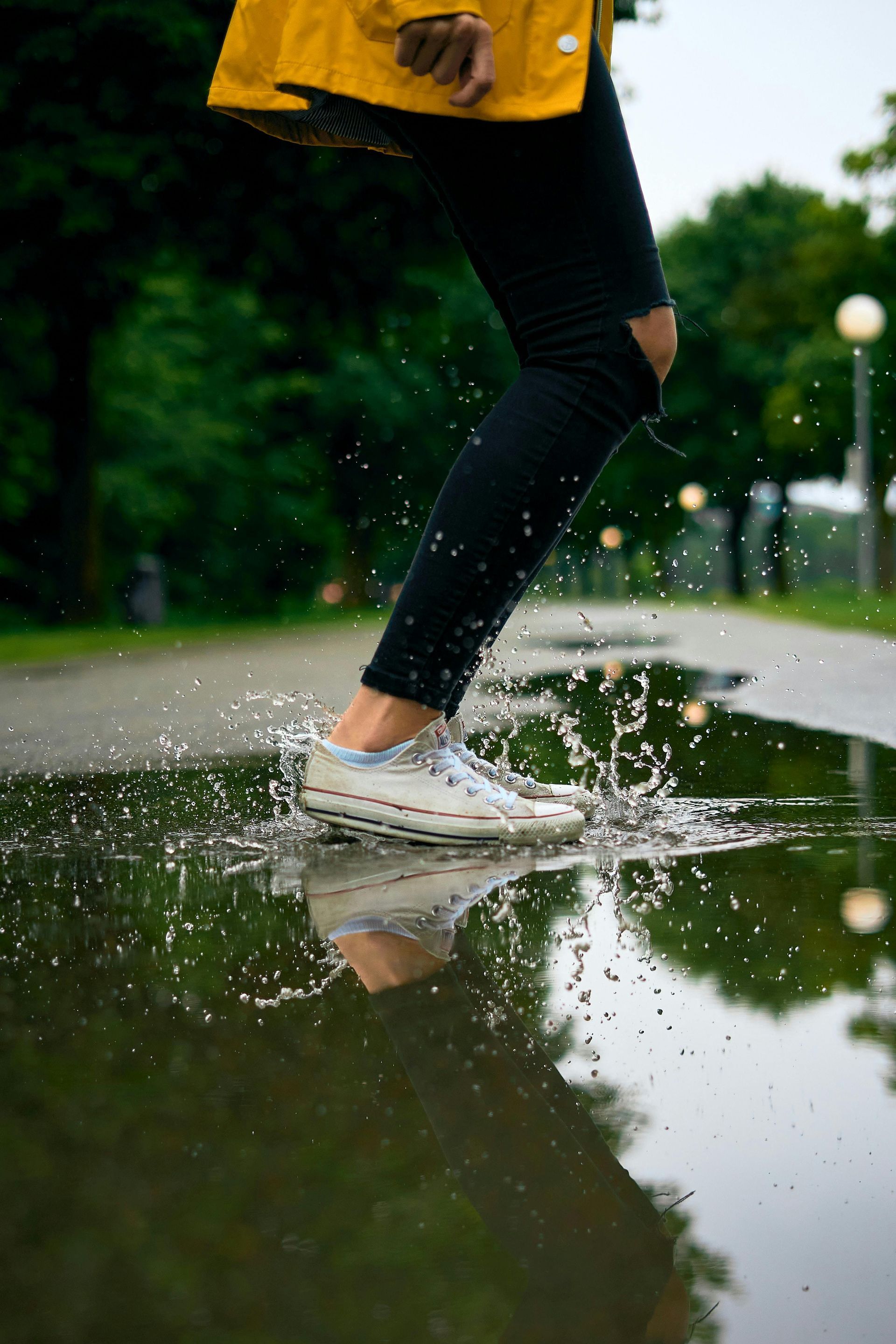
There’s something magical about spring. The air feels softer, the days are a little longer, and suddenly everything outdoors becomes an invitation to play. Kids splash through rain puddles, explore backyards waking up from winter, and gravitate toward anything that glimmers in the sunlight, including water. But here’s the part that often catches families off guard: as the season changes, so do the risks. What looks like harmless fun, such as a puddle in the driveway, a bucket left out in the yard, or a neighborhood pool reopening for the season, can quickly turn dangerous in ways many parents don’t expect. Drowning isn’t just a summer concern. In spring, when routines are shifting and water hazards appear in everyday places, the risks can quietly rise. And because these moments often happen during ordinary play, they can be easy to overlook until it’s too late. As we welcome the joys of spring, it’s just as important to understand the hidden dangers that can come with it. A little awareness now can go a long way in keeping those carefree, splash-filled moments safe. The Danger in the Small Stuff: Puddles and Buckets Many people picture drowning in deep water, but young children face real danger in much smaller amounts. Babies and toddlers can drown in as little as two inches of water . Spring rain creates temporary hazards that often blend into everyday play spaces: Rain barrels and buckets: Garden tools and water-collection systems pose unexpected risks. A five-gallon bucket or an uncovered barrel can become dangerous to a curious child within seconds. Deep puddles: Uneven ground, construction zones, and low-lying yards can hold more water than expected. A simple fall can place a child face down in water. Inflatable pools: Families often set them up early in the season. Leaving water inside overnight creates a hazard long after playtime ends. Young children don’t have the strength or coordination to lift themselves out of water quickly. Even a brief moment without supervision can turn into an emergency. Different Levels of Support No parent functions perfectly in a vacuum. Sometimes, support looks like a spouse taking over puddle duty so you can cook dinner. Other times, it involves hiring a professional to install a four-sided pool fence or enrolling your child in survival swim lessons. According to the American Academy of Pediatrics, layers of protection save lives . Think of these layers as your support team: Barriers: Fences and alarms act as the first line of defense. Supervision: Your eyes provide the second layer. Education: Swim lessons empower the child. Emergency Prep: Knowing CPR ensures you can act if the other layers fail. Different families require different levels of help based on their environment. For example, a family with a pond on their property needs more intensive physical barriers than a family in a high-rise apartment. Acknowledge your specific needs without guilt. Seeking out resources, whether that’s a local CPR class or a pool safety consultation, shows strength, not a lack of capability. 5 Simple Steps That Make a Big Difference You don’t need to eliminate water play to keep your child safe. A few intentional habits can dramatically reduce risk. 1. Practice touch supervision Stay within arm’s reach of young children near any water source, including puddles, buckets, and small pools. Avoid distractions such as phones or conversations that pull your attention away. 2. Empty and store water safely Drain inflatable pools immediately after use. Turn buckets upside down and secure rain barrels with tight-fitting lids. 3. Secure larger water sources Install four-sided fencing with self-latching gates around pools. Use pool covers, alarms, and door locks to prevent unsupervised access. 4. Dress for safety Choose lighter clothing for outdoor play near water when possible. Heavy rain gear can increase drowning risk if a child falls into water. 5. Learn water safety skills Enroll children in age-appropriate swim lessons. Caregivers should also learn CPR, which can save a life in an emergency. Turning Awareness Into Protection Spring invites exploration, curiosity, and joy. Those puddle-jumping, sun-chasing moments often become the memories families cherish most. With a little preparation and awareness, you can protect those moments without taking away the fun. Paying attention to small, everyday water hazards, staying close during play, and building consistent safety habits can make all the difference. Because when it comes to drowning, prevention doesn’t require perfection. It simply requires presence. Together, we can end the heartache of losing a loved one due to drowning. Your gift helps Stop Drowning Now prevent drowning by funding our water safety outreach programs, including initiatives targeting schools and community groups to keep everyone safe. Check out our free resources for parents and educators to assess your family’s or community’s water safety readiness.
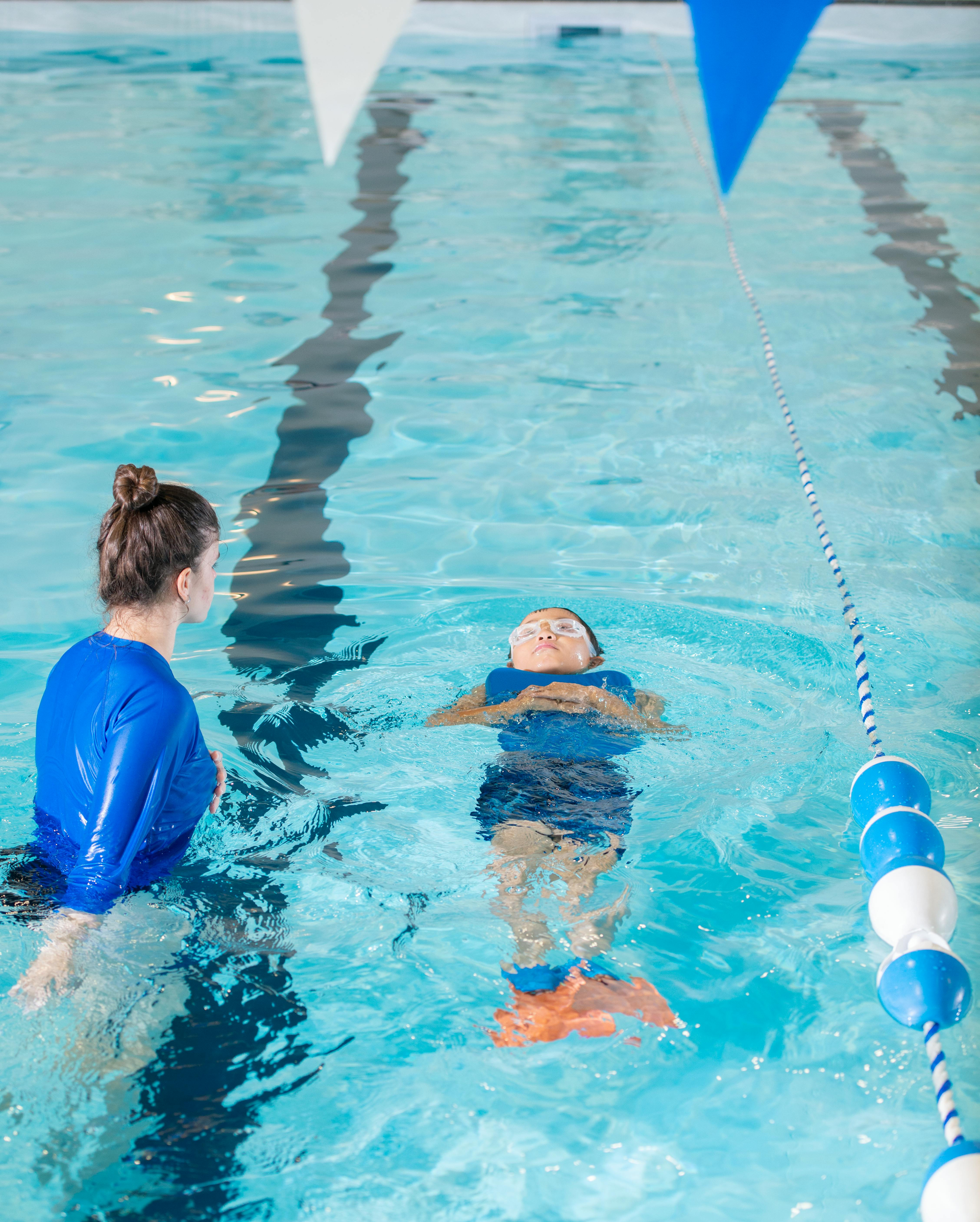
Water possesses an almost magnetic charm to children. The joyous giggles in the bathtub, the gleeful splashing at a toddler’s water table, the boisterous playfulness at the local swimming pool, or the sense of adventure that beckons from the vast expanse of oceans and lakes — each of these water experiences captivates young minds. Yet beneath the laughter and excitement, there lurks a silent danger. Drowning remains one of the top causes of unintentional death of children one to fourteen , transforming what should be a source of delight into a heartwrenching tragedy. Drowning is preventable , and sharing that message with parents, caregivers, children, and youth is imperative. Considering that kids spend a significant amount of time at school, they’re ideal venues to reach as many people as possible to implement drowning prevention strategies for several reasons: Education and Curriculum: Schools are fundamental education centers where children can learn about various safety topics as part of the curriculum. Drowning prevention can easily be integrated into health education or physical education classes. Reach and Regularity : Schools reach many children regularly, ensuring consistent and repeated messaging. Structured Learning Environment : Schools' structured learning environments provide a controlled setting for teaching and practicing safety skills. They can provide theoretical and practical lessons, including supervised swimming lessons in some cases. Peer Learning : Children often learn well among peers. Schools provide a social environment where students can learn from each other and encourage safe behaviors among their friends. Resource Availability : Many schools have the necessary resources to provide comprehensive education, including access to qualified instructors and educational materials. Stop Drowning Now offers a comprehensive engaging curriculum using stories and hands-on, age-appropriate activities. The fun program is free to educators and enables children to grasp the safety concepts in a non-threatening way, making it memorable and enjoyable. Components of the program include: Flagship Curriculum (22-hour comprehensive education Water Safety Week (5-hour program) Water Safety Presentation (1-hour program) Water Safety Puppet Show (45-minute program) Inclusion of All Backgrounds : Schools are inclusive, educating children from various backgrounds and communities, some of which may not have access to water safety education at home. Parental Involvement : School programs often involve parents, providing information that can be taken home, extending the reach of water safety education beyond the classroom. Early Intervention : Starting education early in life in schools can establish safe behaviors that can last a lifetime, reducing the risk of drowning in childhood and later in life. There are many steps schools can take to better educate students and families on water safety and prevent drownings. Basic Swimming Skills Offering swimming lessons through physical education programs or after-school activities provides essential water safety skills. According to the National Institutes of Health, participation in formal swimming lessons can reduce the risk of drowning by 88% among children ages one to four . Swimming skills such as floating, treading water, and performing safe water exits allow kids to better handle unexpected falls into water. Make swimming lessons available to all grade levels, starting from an early age, to ensure that children develop early water competency . Water Safety Education Dedicate time during health and physical education courses to teach water safety principles. Provide age-appropriate educational materials. Key topics include the dangers of swimming alone, proper use of life jackets, what to do if you see someone in distress in the water, and basic CPR and rescue techniques. Emphasize the importance of constant adult supervision around water. Pool Safety Policies For schools with on-campus pools, implement safety policies such as assigned lifeguards, "buddy systems," and disciplinary procedures around running near and pushing others into the pool area. Post highly visible pool rules signage and depth markers. Keep pool chemicals secure and locked. Require enrolled students to pass basic swimming tests if they wish to access the pool outside of class time. Limit access without supervision. Awareness of Natural Water Risks Natural water bodies presnet unique risks. Schools organizaing activities in natural waters should educated students about these hazards and check weather forcasts to avoid dangerous situations. Parent/Community Outreach Send drowning risk and prevention information home to families. Highlight ways parents can practice water safety at home. Partner with local health departments, water safety coalitions, swimming instructors, and lifeguard associations to provide community water safety courses and resources. Everyone Can Help Prevent Drowning Implementing multifaceted drowning prevention strategies can equip students with lifelong water safety skills. By making water hazard education and training a priority, schools have the opportunity to prevent many avoidable tragedies. Together, we can end the heartache of losing a loved one due to drowning. Donate now to help us provide water safety outreach to schools and community groups to keep everyone safe.
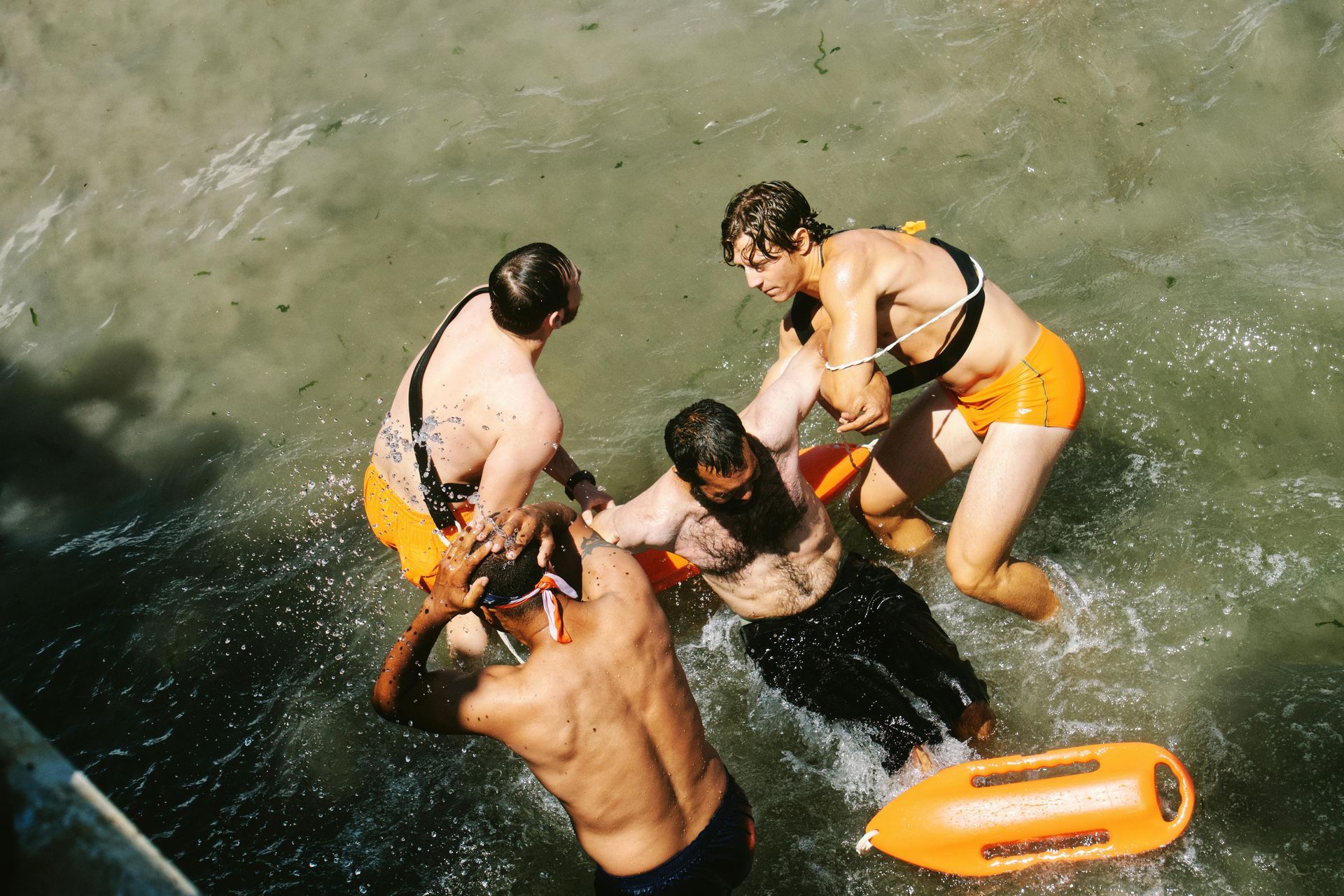
Drowning is a leading cause of unintentional death, with an estimated 360,000 drowning deaths annually worldwide . Drowning can occur in open water environments like lakes, rivers, and oceans and confined bodies of water like pools. However, the risks differ significantly between these locations. Continue reading for insights into safer water practices for open water and pools. Open Water and Pools Share Several Drowning Risks Several drowning risks are shared by open water and swimming pools, including: Lack of Supervision: One of the primary factors leading to drowning incidents in both open water and swimming pools is the absence of adequate supervision . The risk is exceptionally high for children and non-swimmers. Even a momentary lapse can lead to a tragic outcome without someone to monitor and intervene in emergencies. Supervision should be active and continuous, with adults keeping children within arm's reach and avoiding distractions such as mobile phones or socializing. Inability to Swim: Individuals who lack swimming skills or are weak swimmers are at a significantly increased risk of drowning in any water setting. In open waters, unpredictable conditions like currents and waves can overwhelm inexperienced swimmers. Similarly, depths and edges can be misleading in pools, leading to panic and accidents. It's crucial for everyone, especially children, to receive formal swimming lessons and water safety education. Alcohol Use: The consumption of alcohol is a common risk factor for drowning in both open waters and pools . Alcohol impairs judgment, balance, and coordination, which are essential for safe water navigation. It can also lead to risk-taking behaviors, reduced inhibitions, and overestimating one's swimming abilities. The combination of these effects dramatically increases the likelihood of accidents and drowning incidents. Seizures: For individuals with seizure disorders, the risk of drowning is heightened in aquatic environments. A seizure episode while in the water can lead to a loss of consciousness or control, making it difficult or impossible to keep one's head above water. This risk is present in open water's unpredictability and pools' contained environments. It's essential for individuals with seizure disorders to swim with a companion and inform lifeguards of their condition. Environmental Factors: In open water, environmental factors like strong currents, waves, and sudden changes in depth can catch swimmers off guard, leading to drowning incidents. Slippery surfaces, unclear water, and crowded conditions can create pool hazards. Fatigue and Exhaustion: Swimming requires physical exertion, and both open-water and pool swimmers can become fatigued, especially if they overestimate their stamina or swim in challenging conditions. Fatigue can lead to an inability to stay afloat or return to safety. Temperature Extremes: Cold water can cause hypothermia, leading to disorientation and exhaustion. In contrast, extremely warm water can lead to overheating or dehydration. Both scenarios are risky in any water setting. Lack of Safety Equipment: In both open water and pools, the absence of safety equipment like life jackets, pool fences, and rescue devices increases the risk of drowning, particularly for children and non-swimmers. By understanding and mitigating these risks, swimmers can enjoy water activities more safely in open-water and swimming pool environments. Open Water Elevates Drowning Risks Drowning incidents in open water, such as oceans, rivers, and lakes, significantly surpass those in swimming pools. The World Health Organization (WHO) reports that natural water bodies are the sites of over 90% of drowning deaths globally. The alarming statistic can be attributed to several key factors that amplify the risks associated with open-water environments: Unpredictable Environmental Conditions : Open waters are inherently unpredictable. Factors such as uneven surfaces, intense and often hidden currents, rapidly changing weather patterns, and potential marine hazards like rocks or aquatic life contribute to the dangerous nature of these environments. Lack of Supervision and Safety Measures : Unlike pools, many natural water settings do not have lifeguards or adequate safety oversight. This absence of structured safety protocols and immediate rescue assistance heightens the danger for swimmers, especially in emergencies. Exposure to Cold Water Temperatures : The temperatures in natural bodies of water can be deceivingly cold, leading to the rapid onset of hypothermia. This condition can incapacitate swimmers, impairing their judgment and physical abilities and increasing the likelihood of drowning. Challenges Due to Remote Locations : Many open water sites are remote. In an emergency, the distance and difficulty in accessing these locations can delay rescue efforts, compounding the severity of the situation. Combining these factors makes open water a much more treacherous environment for swimming and water-based activities, necessitating heightened awareness and caution from individuals engaging in such activities. The Drowning Risks of Swimming Pools While swimming pools offer a more controlled environment than open water, with clear water, defined depths, and often the presence of lifeguards, they are not risk-free. Drowning in pools, especially among children, is a significant concern. Here are some common risks associated with drowning in pools: Lack of Barriers : Children or pets can easily access pools without fences or barriers, increasing the risk of accidental drownings. Slippery Surfaces : Wet and slippery surfaces around pools can lead to falls into the water, which is particularly dangerous for small children and older adults. Poor Pool Maintenance : Unclear water and malfunctioning pool equipment can hinder rescue efforts and increase drowning risks. Overcrowding : Overcrowded pools make it difficult to notice someone struggling in the water. Lack of Awareness of Water Depth : Misjudging the depth of the pool can lead to diving accidents and potential drownings. Implementing safety measures like supervision, learning swimming skills, installing barriers, maintaining the pool area, and having the necessary safety equipment on hand to minimize these risks is crucial. Everyone Can Help Prevent Drowning Whether you’re enjoying a day at the beach, boating on a river, or swimming at a pool, enjoy the water by being attentive and aware of your surroundings. Together, we can end the heartache of losing a loved one due to drowning. Donate now to help us provide water safety outreach to schools and community groups to keep everyone safe.
Drowning accidents can happen to anyone, regardless of age or swimming ability. It’s a significant public health issue worldwide, especially in communities near water bodies. According to the World Health Organization (WHO), drowning is the third leading cause of unintentional injury death worldwide . It’s also the second leading cause of unintentional injury death after motor vehicle crashes for children five to fourteen . Understanding these statistics highlights the importance of drowning prevention efforts in communities. Organizing a drowning prevention workshop can be vital in educating and equipping individuals with the necessary skills and knowledge to prevent drowning tragedies. Continue reading to learn more about the steps you can take to organize an effective community drowning prevention workshop. Step 1: Identify Your Audience Begin by identifying your target audience. Are you focusing on parents, children, swimmers, or the general public? Understanding your audience helps tailor the workshop's content to their needs. Gather local demographic data to address your community's specific risks and challenges related to drowning. Step 2: Collaborate with Local Organizations Partnerships with local organizations like Stop Drowning Now , schools, swimming clubs, and emergency services can be invaluable. These organizations can provide resources, expertise, and support. For instance, local lifeguards can offer practical demonstrations. Reach out to these organizations and propose collaborating for the workshop. Step 3: Secure a Venue The first step is to secure a venue for your drowning prevention workshop. Consider community centers, schools, libraries, or recreational facilities with pools. Make sure the location is ADA-compliant and accessible to all. Step 4: Designing the Workshop Curriculum The curriculum of the drowning prevention workshop should cover theoretical knowledge and practical skills. For example, topics might include water safety rules, recognizing drowning signs, and basic first aid or CPR training. Interactive elements like Q&A sessions, demonstrations, and hands-on practice are beneficial. Consider utilizing statistics and data in your workshop to emphasize the risks of drowning. An effective community drowning prevention workshop should achieve the following goals: Educate on local drowning statistics and high-risk scenarios Demonstrate proper pool and water safety techniques Inform families on options for swim lessons and water survival skills Distribute educational materials and water safety kits to all attendees Step 5: Identify Speakers Line up qualified speakers on drowning prevention like: Lifeguards Swim instructors Health educators EMS personnel Parent advocates Step 6: Marketing and Promotion Effectively marketing your workshop ensures maximum attendance and impact. Utilize social media platforms, local newspapers, emails through listservs, and community bulletin boards. In addition, ask collaborating organizations to promote the event. Creating eye-catching flyers and leveraging local networks can also be effective strategies. Hosting the Workshop On the Day of the Workshop: Preparation : Ensure that all the logistical aspects are in place before participants arrive. For example, check the venue to ensure all equipment is working and the materials are ready. Welcome Participants : Greet attendees as they arrive to set a positive tone and help make participants feel comfortable. Time Management : Keep track of time to ensure that the workshop stays on schedule. It's important to start and end sessions on time. Engaging with Participants During the Workshop: Facilitate Discussions : Actively lead discussions by asking open-ended questions, encouraging quieter participants to share their thoughts, and summarizing key points to keep the conversation on track. Encourage Participation in Practical Sessions : For hands-on activities, walk around the room, offer help, and engage with participants as they work. Show enthusiasm and interest in their work. Manage Group Dynamics : Be attentive to group dynamics. Ensure that all voices are heard and manage any conflicts or disruptions that may arise. After the Workshop: Collect Feedback : Use surveys, questionnaires, or informal discussions to gather participants' thoughts about the workshop. Ask specific questions about what they found helpful and enjoyable, and ask participants to identify areas that need improvement. Assess Effectiveness : Review the feedback to assess the workshop's effectiveness. Consider both the positive responses and constructive criticisms. Identify Areas for Improvement : Look for patterns or common themes in the feedback. These insights will be valuable for planning and improving future workshops. Everyone Can Help Prevent Drowning Organizing a community drowning prevention workshop is a proactive step toward enhancing water safety and potentially saving lives. By following these steps and collaborating with local resources, you can create an informative and impactful event that resonates with your community. Together, we can end the heartache of losing a loved one due to drowning. Take our Water Safety Challenge to measure your family or community’s water safety competence, and help us provide water safety outreach to schools and community groups to keep everyone safe.
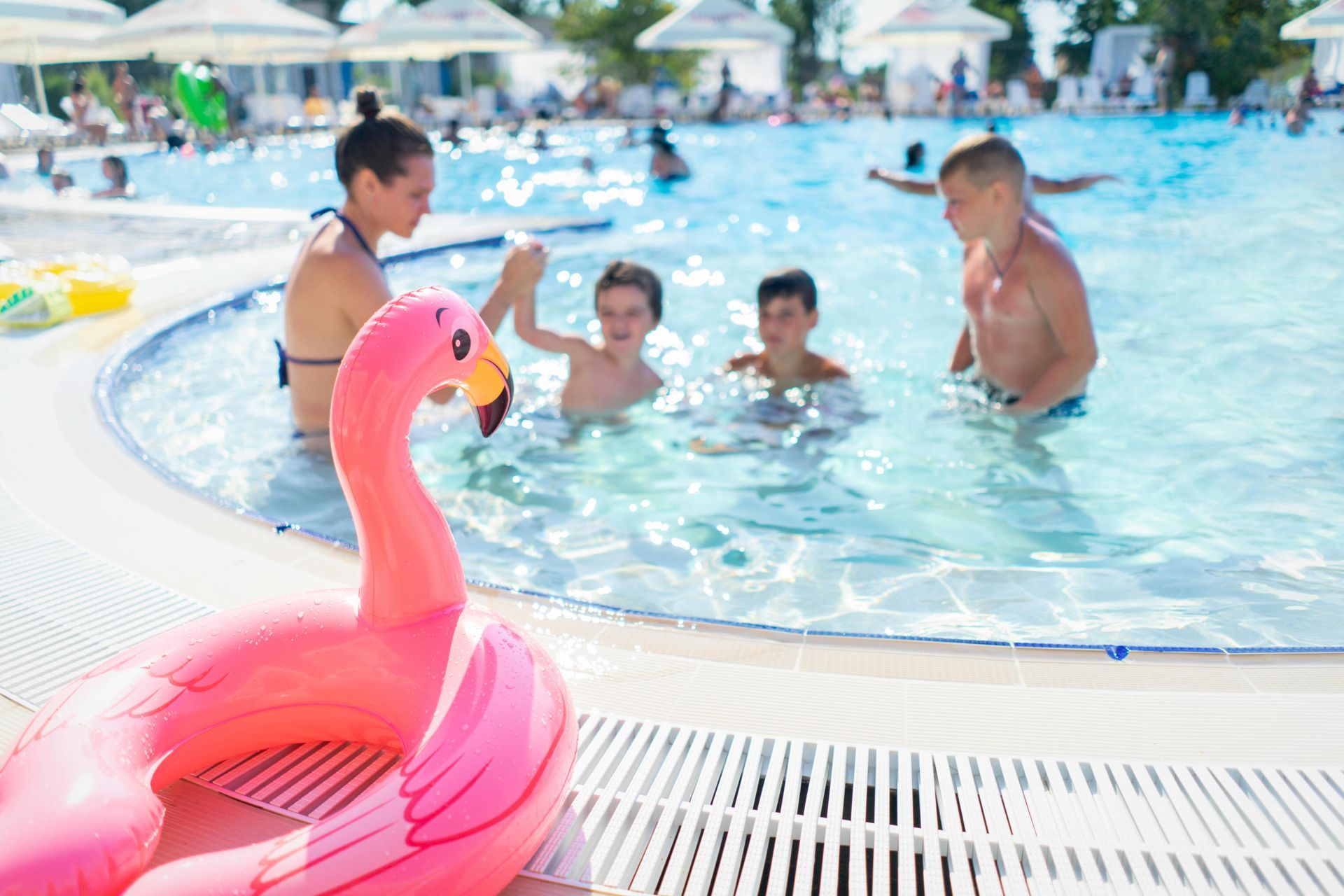
Whether you're planning to host a laid-back pool party in the comfort of your backyard, organize a lively gathering beside the serene waters of a lake, or spend a day basking in the sun at the beach, it's crucial to maintain a steadfast focus on safety. Unfortunately, too often, a party or gathering turns into a devastating event when a person drowns. Drowning is preventable . Your unwavering attention to safety measures is essential to prevent your delightful day from turning into a tragedy due to drowning. Continue reading for tips and best practices to assess each unique swimming environment and create a safe one so you can make happy memories! Swimming Environments Each of these settings offers its unique blend of fun and relaxation, yet they all share the common element of water — a medium that demands respect and caution. Backyard Pool Party: Hosting a pool party in your backyard may seem like a controlled environment, but it's fraught with potential risks. Ensuring the pool area is secure, especially if children are present, is crucial. For example, employ measures like installing pool fences with self-closing and self-latching gates, keeping rescue equipment and a first aid kit nearby, and ensuring that non-swimmers have appropriate flotation devices. Additionally, it's wise to designate a responsible adult to keep an eye on swimmers at all times, as distractions can lead to accidents. Lake-Side Get-Together: The natural beauty of a lake sets the perfect backdrop for a gathering. However, lakes can be unpredictable, with varying depths, underwater hazards, and changing weather conditions. Ensuring everyone wears life jackets is a crucial safety measure. Furthermore, being aware of the local wildlife and respecting their habitat is essential. Setting up a designated swimming area, away from boating and fishing activities, can help keep everyone safe and minimize the risk of accidents. Sunny Day at the Beach: A beach day is a quintessential summer activity with unique challenges. The dynamic nature of the ocean, with its tides, currents, and waves, requires vigilant supervision. Always swim in areas supervised by lifeguards, and pay attention to flags and warning signs indicating dangerous conditions. Sandbars, rip currents, and jellyfish are just a few of the hazards beachgoers may encounter. Educating your group about ocean safety can be lifesaving, such as teaching them how to escape a rip current (swimming parallel to the shore). Across all these scenarios, the underlying principle is preparation and awareness. Understanding the environment you're in, equipping yourself and your guests with the necessary safety gear, and having a clear plan in case of emergencies are all critical components of a safe and enjoyable water-based activity. In essence, putting safety first not only ensures that everyone has a good time but also that they return home with nothing but fond memories. Tips and Best Practices to Create a Safe Swimming Environment Understand the Basics of Water Safety: Before you host your gathering, it's essential to familiarize yourself with the basics of water safety. The Centers for Disease Control and Prevention (CDC) outlines vital information on preventing drowning and promoting water safety , including supervising swimmers, ensuring everyone wears appropriate flotation devices, and knowing how to respond in an emergency. Establish Swimming Rules: Before anyone enters the water, set clear swimming rules. For example, no diving in shallow water, staying within designated swimming areas, and not swimming under the influence of alcohol or drugs. Posting these rules visibly around the swimming area can serve as a constant reminder to your guests. Implement a Buddy System: Encourage using a buddy system, where swimmers pair up to keep an eye on each other. The buddy system is particularly effective in ensuring that no one is left alone in the water, making it easier to spot if someone is in trouble. Prepare for Emergencies: Ensure emergency equipment, including life rings, reaching poles, and a first aid kit, are readily available. Ensure that your phone is charged and accessible to call for help if needed. Familiarize yourself with the signs of drowning and how to perform a safe rescue if necessary. Check the Swimming Area: Before the party begins, inspect the swimming area for hazards. Check for clear water, proper chemical levels, and the absence of sharp edges or broken tiles in pools. Look for hidden underwater hazards, strong currents, or unstable conditions in natural bodies of water. You can often find information on water quality and safety for public beaches on local government websites. Use Appropriate Safety Equipment: Ensure all swimmers, especially children or those who are not strong swimmers, have access to appropriate safety equipment such as life jackets. According to the U.S. Coast Guard, wearing a life jacket can significantly reduce the risk of drowning. Ensure the life jackets are U.S. Coast Guard-approved and fit correctly . Educate Guests on Water Safety: Take a few minutes before swimming activities to educate your guests on water safety. Discuss the importance of the buddy system, the rules of the swimming area, and what to do in an emergency. Knowledge is a powerful tool in preventing accidents. Everyone Can Help Prevent Drowning You can create a safe swim environment for your parties and gatherings by following these steps. Remember, preparation and education ensure everyone can enjoy the water safely. Always prioritize the well-being of your guests and be ready to act in an emergency. Let's prioritize water safety to ensure fun and safe experiences for everyone involved. Together, we can end the heartache of losing a loved one due to drowning. Take our Water Safety Challenge to measure your family or community’s water safety competence, and help us provide water safety outreach to schools and community groups to keep everyone safe.
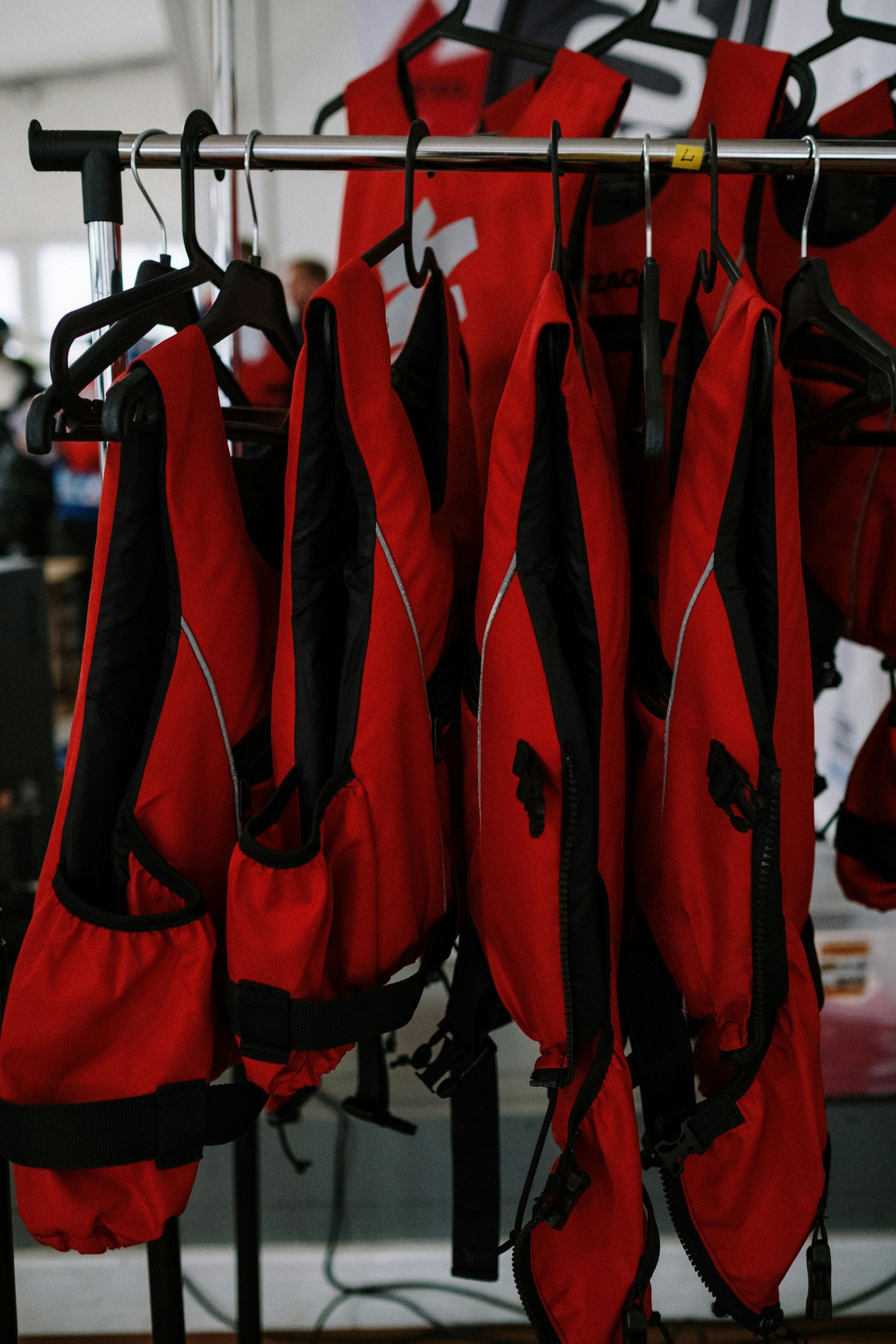
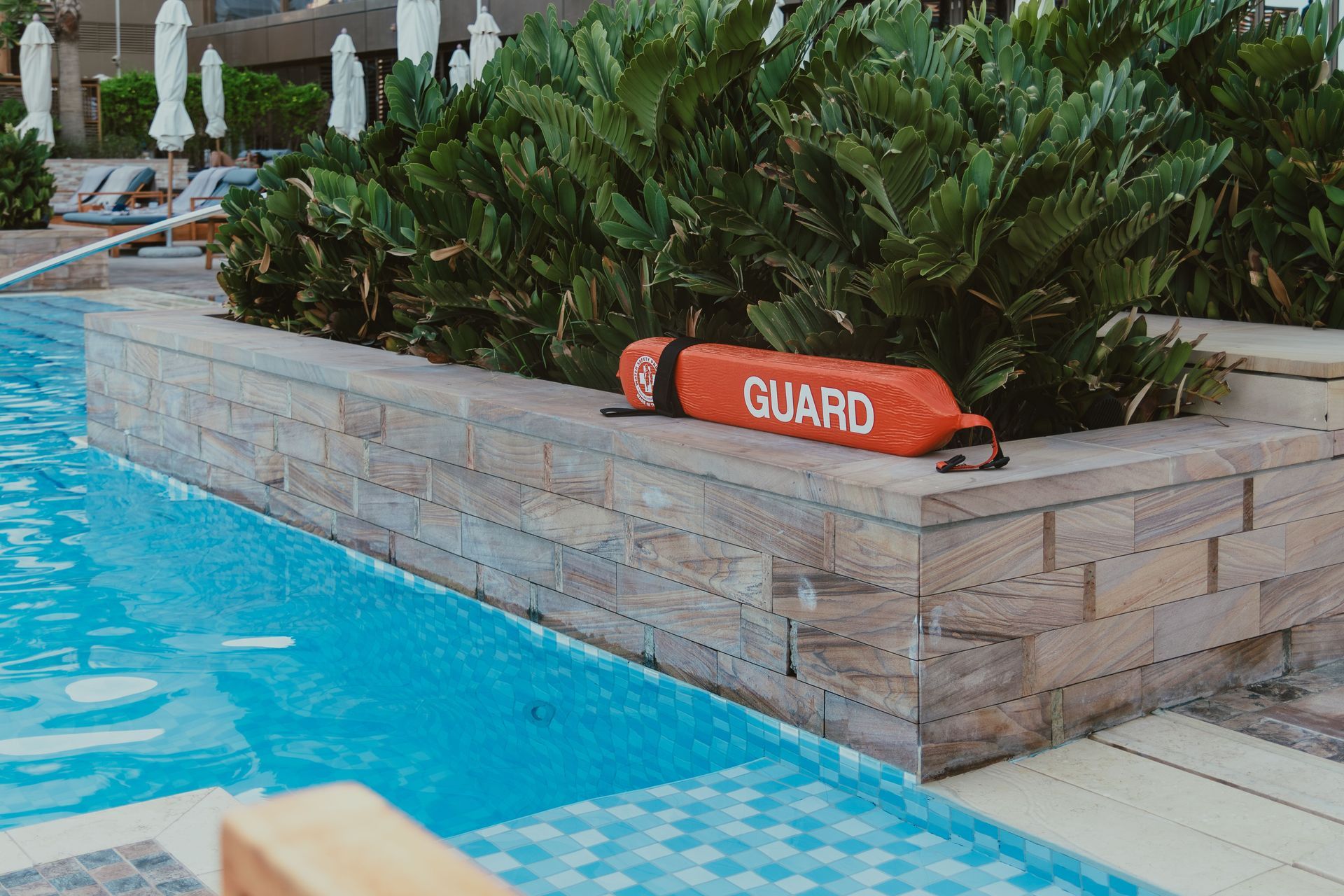
If you could save over 4,000 lives annually in the US, would you seize the opportunity? Of course, you would, and you can do it simply by investing in the right water safety equipment to prevent drowning incidents. Unintentional drowning is preventable, and with the proper water safety equipment, you can significantly reduce the risks associated with swimming, boating, and other aquatic pastimes. Continue reading to explore essential water safety and rescue equipment that should be a part of your gear to ensure a safe and enjoyable experience near water bodies. Personal Flotation Devices (PFDs) Various water activities require specific types of personal flotation devices (PFDs). These include life jackets and vests , which should be U.S. Coast Guard-approved and suitable for the wearer’s weight and size. These devices are designed to keep the wearer afloat, significantly reducing the risk of drowning. According to the U.S. Coast Guard, wearing a properly fitting PFD can dramatically increase survival rates in water-related emergencies. Life rings and throwable devices are also in this category. You can throw these buoyant devices at a person in the water to provide immediate flotation support until rescue can be performed. Safety Lines and Floats Safety lines and floats are typically pool lane dividers or safety lines. They serve several crucial functions in recreational and competitive swimming environments. These floating barriers are installed across the width of a swimming pool to distinguish between the deep and shallow ends. This distinction is vital for alerting swimmers, particularly those needing more confidence in deeper water, about the varying depths, thereby enhancing safety. In addition, these lane dividers offer sturdy support that swimmers can grasp if they need to rest or catch their breath, ensuring they can quickly halt and stabilize themselves in the water. The construction of these devices is specifically designed to be robust yet buoyant. They are often made from materials like plastic or foam and connected by a cord that runs through the entire length. Rescue Poles or Shepherds' Crooks These vital safety implements play a crucial role in numerous rescue missions, especially in proximity to aquatic environments or other situations where directly engaging with an individual in peril could be hazardous or unfeasible. The construction of these tools features elongated, robust shafts, typically crafted from materials that are durable and strong enough to endure the substantial forces exerted during rescue efforts. At one extremity of the shaft, there is either a hook or a loop, meticulously engineered to safely grasp and secure a person or their attire. Overall, rescue poles or shepherds' crooks are versatile, essential tools in the arsenal of rescue equipment designed to maximize efficiency and safety during rescue operations. Pool Fences and Barriers Pool fences and barriers' primary purpose is to provide a layer of safety that helps prevent accidental drownings or injuries. Children, being naturally curious and often unaware of the dangers associated with water, are at particular risk. Installing a barrier or fence creates a controlled environment. The design and construction of pool fences and barriers should adhere to specific standards to ensure maximum effectiveness and safety. These standards typically specify the minimum height of the fence, the approved materials, the spacing between vertical slats, and the type of gate and latching mechanism. For instance, the fence should be tall enough to prevent children from climbing over it, and the gate should be self-closing and self-latching, with latches placed out of the reach of small children. Pool barriers are not just about preventing access; they also serve as a visual reminder of the pool's presence, encouraging adults to be more vigilant when children are nearby. In addition to fences and barriers, pool owners might consider additional safety measures such as pool alarms, safety covers, and regular safety checks to ensure the pool area remains a safe environment for everyone. First Aid Kits Although a first aid kit doesn’t prevent accidents, it is critical to ensure immediate medical attention is available during water-related emergencies. Such emergencies can range from minor scrapes and bruises to more serious injuries or conditions like drowning, hypothermia, or jellyfish stings. Unexpected accidents can occur when engaging in activities near or in water, such as swimming, boating, or fishing. A comprehensive first aid kit allows for prompt response to these incidents, potentially reducing the severity of the outcomes or even saving lives. You should tailor your kit to address the specific types of injuries and health issues more likely to occur in water-based environments. Essential components of a water-focused first aid kit include waterproof bandages and dressings to protect wounds from water exposure, materials for creating splints, antiseptic wipes to clean wounds, and medications for addressing symptoms like nausea or allergic reactions. For more severe situations, the kit should also have tools to perform cardiopulmonary resuscitation (CPR) or to treat drowning, including a face shield for mouth-to-mouth resuscitation. Those responsible for the first aid kit must know its contents and how to use them effectively. Training in first aid and CPR, specifically focusing on water-related injuries, can enhance the effectiveness of the available medical supplies. Communication Devices Effective communication devices are indispensable for safety and emergencies. Cell Phone: You may not think of your cell phone as water safety equipment, but having one that’s easily accessible is necessary. When boating or at a remote water location, place your cell phone in a waterproof case to protect it from water damage and ensure it is a viable communication option for making calls, sending messages, or using navigation apps. However, cell phone coverage can be unreliable or nonexistent in remote water areas, so this should not be the sole means of communication. Waterproof Radio: A waterproof VHF (Very High Frequency) marine radio is a standard maritime communication tool. These radios are designed to withstand water exposure. They are essential for sending distress signals or communicating with other boats, marinas, or coast guards. They often come with features like weather channels, which provide real-time updates on maritime conditions, and DSC (Digital Selective Calling), which allows you to send a distress signal with your location to emergency services at the push of a button. Personal Locator Beacons (PLBs) and EPIRBs: Personal locator beacons (PLBs) or emergency position-indicating radio beacons (EPIRBs) are critical for more severe or remote marine activities. When activated, these devices send a distress signal with your location to a worldwide network of search and rescue satellites, facilitating a faster and more precise response from rescue teams. Everyone Can Help Prevent Drowning Ensure you have the necessary water safety equipment to create a safe swim environment. Equip yourself and your loved ones with the gear and knowledge to enjoy water-related activities safely. Remember, preparedness is the key to ensuring a safe and enjoyable time near or in the water. Together, we can end the heartache of losing a loved one due to drowning. Take our Water Safety Challenge to measure your family or community’s water safety competence, and help us provide water safety outreach to schools and community groups to keep everyone safe.