


Jim Spiers
President (New York, NY)
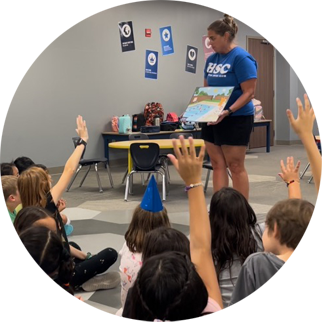
Stop Drowning Now is proud to have Jim Spiers as its president. Jim is a consummate professional in all facets of instruction and teaching methods within the realm of swim and water safety. In collaboration with two-time Olympic Gold medalist Catherine Fox, he established the Underwater Schoolhouse for Swimming Programs and Teaching Methods. Jim is credited with the formation and development of multiple swim programs throughout the state of Texas, including the prestigious Phil Hansel Swim Academy in Houston.
A renowned and highly prized water safety expert, Jim welcomed the opportunity to repeat the successes of his Texas swim schools, and moved to New York in 1990. There, he embarked on a new challenge; operate a growing swim school program while introducing a children’s theater program. This initiative gave birth to SwimJim, Inc. in 1998. Soon, the notoriety and success of the SwimJim program resulted in feature articles in the New York Times, as well as requests for TV and radio appearances/interviews (NPR and Martha Stewart Radio and numerous children’s magazines).
Jim has traveled around the globe on behalf of the Stop Drowning Now, presenting the Safer 3 program in Brazil and Ireland. In fall 2013, the United States Swim School Association presented Jim with the Humanitarian Award for his water safety efforts. Most recently, Jim was recognized in an elite group of aquatics professionals. In March 2015, Jim was recognized as an outstanding industry leader in Aquatics International The Power Issue: Aquatics Advocates. Jim was recognized for his commitment to water safety throughout the United States and internationally as well.
Additionally, Jim is an active member of numerous boards and organizations,
including:World Aquatic Baby Congress
United States Swim School Association
National Drowning Prevention Alliance
A renowned and highly prized water safety expert, Jim welcomed the opportunity to repeat the successes of his Texas swim schools, and moved to New York in 1990. There, he embarked on a new challenge; operate a growing swim school program while introducing a children’s theater program. This initiative gave birth to SwimJim, Inc. in 1998. Soon, the notoriety and success of the SwimJim program resulted in feature articles in the New York Times, as well as requests for TV and radio appearances/interviews (NPR and Martha Stewart Radio and numerous children’s magazines).
Jim has traveled around the globe on behalf of the Stop Drowning Now, presenting the Safer 3 program in Brazil and Ireland. In fall 2013, the United States Swim School Association presented Jim with the Humanitarian Award for his water safety efforts. Most recently, Jim was recognized in an elite group of aquatics professionals. In March 2015, Jim was recognized as an outstanding industry leader in Aquatics International The Power Issue: Aquatics Advocates. Jim was recognized for his commitment to water safety throughout the United States and internationally as well.
Additionally, Jim is an active member of numerous boards and organizations,
including:World Aquatic Baby Congress
United States Swim School Association
National Drowning Prevention Alliance
Sara Biskie
Vice President (Elgin, IL)
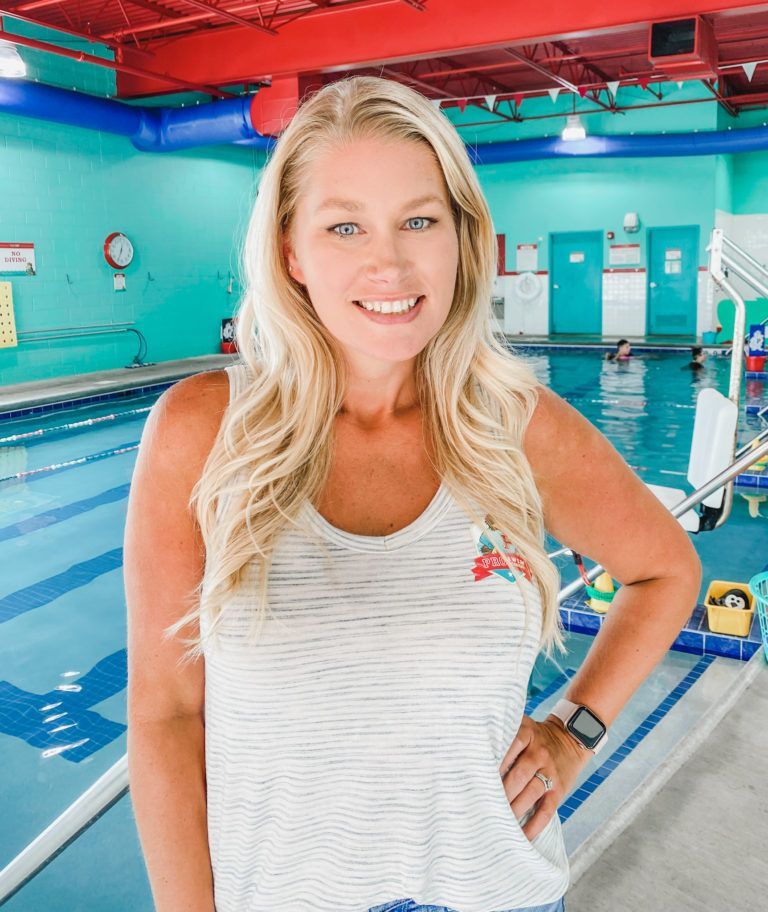
Sara Biskie the owner-operator of PRO Swim Academy in Elk Grove Village, IL. Sara began teaching swim lessons when she was just 15 years old and fell in love with the swim school industry from day one, so much so she made it her life long career. She is passionate about teaching children to swim as well as educating her community about water safety. She is an active member of the United States Swim School Association where she serves as a member of the Membership Connections Committee. With over 21 years of experience in the swim industry she brings a level of expertise that benefits all of SDN’s members, donors and educators.

Bobby Hazen
Executive Director
Bobby Hazen is the Executive Director of Stop Drowning Now. Bobby has been in the swim school, water safety and drowning prevention industry for over 26 years.
As Founder of End Drowning Now and formally as the District Manager and Coordinator of the “Drowning Prevention through Education Department” at Long Island’s prominent Saf-T-Swim swim schools, it has been Bobby’s passion to help educate children, parents, caregivers how to be safer in, on, or near any water.
Bobby is a member of the United States Swim School Association (USSSA), a former Board of Director member and was on their Infant Toddler Committee. Bobby is also very active in helping to mold water safety, drowning prevention, and swim lesson legislation as a founding member of the New York Water Safety Coalition.
After running several of the Saf-T-Swim facilities and becoming a swim instructor, Bobby realized how much he enjoyed teaching children and babies how to save themselves and learning the lifesaving skill of swimming.
Every year Bobby has heard of a fatal or non-fatal drowning, it inspired his passion to find an effective drowning prevention/ water safety educational program. He saw the importance of having one central place to aide in educating parents, caregivers, and children about safer behavior and the dangers and risks associated with being in, on, or near the water.
In 2008, he founded the Long Island Drowning Prevention Task Force (LIDPTF) which eventually became End Drowning Now and has been accepted as a chapter of the National Drowning Prevention Alliance (NDPA).
In 2009, the LIDPTF teamed up with the Safer 3 Water Safety Foundation, Long Island Pool and Spa’s Kids Swim initiative and Saf-T-Swim to institute and help organize a fun interactive early education Safer 3-character school assembly and storybook readings; which was brought into Long Island public & private elementary schools, daycare centers and nursery schools.
In 2013, Bobby teamed up with Rich Specht who lost his 2-year-old child Rees to drowning in the back yard pond. They decided to work together to revamp the school assemblies using mascots and to honor Rees Specht and ReesSpecht the Water interactive school assembly was born. To date, their End Drowning Now school show campaign called “ReesSpecht the Water” has educated over 150,000 children.
Bobby, LIDPTF, and End Drowning Now has received several awards and with the help from non-profit ReesSpecht Life a new Scholarship “Kids helping kids learn to swim” was created to help provide swim classes to less fortunate families.
Partners and Supporters include NDPA, ReesSpecht Life, LifeSaver Pool Fence, MarTar Swim Schools, Jones Beach Lifeguard Corp, NESPA, LIPSA, NY State Parks, NY Water Safety Coalition.
Bobby and End Drowning Now have been featured on News 12, CBS, Fox 5, Pixx 11, Newsday, WHBC FM Radio, Cox Media, Push Pause, LI Parenting, NY Metro Parents, and Milieu Magazine. Bobby’s goal is to educate as many people as possible, save children’s lives and to Stop Drowning Now. In May 2024 Bobby spoke along with Governor Hochul at her NY Swims imitative press event.
Bobby’s goal is to educate as many people as possible, save children’s lives and to Stop Drowning Now.
As Founder of End Drowning Now and formally as the District Manager and Coordinator of the “Drowning Prevention through Education Department” at Long Island’s prominent Saf-T-Swim swim schools, it has been Bobby’s passion to help educate children, parents, caregivers how to be safer in, on, or near any water.
Bobby is a member of the United States Swim School Association (USSSA), a former Board of Director member and was on their Infant Toddler Committee. Bobby is also very active in helping to mold water safety, drowning prevention, and swim lesson legislation as a founding member of the New York Water Safety Coalition.
After running several of the Saf-T-Swim facilities and becoming a swim instructor, Bobby realized how much he enjoyed teaching children and babies how to save themselves and learning the lifesaving skill of swimming.
Every year Bobby has heard of a fatal or non-fatal drowning, it inspired his passion to find an effective drowning prevention/ water safety educational program. He saw the importance of having one central place to aide in educating parents, caregivers, and children about safer behavior and the dangers and risks associated with being in, on, or near the water.
In 2008, he founded the Long Island Drowning Prevention Task Force (LIDPTF) which eventually became End Drowning Now and has been accepted as a chapter of the National Drowning Prevention Alliance (NDPA).
In 2009, the LIDPTF teamed up with the Safer 3 Water Safety Foundation, Long Island Pool and Spa’s Kids Swim initiative and Saf-T-Swim to institute and help organize a fun interactive early education Safer 3-character school assembly and storybook readings; which was brought into Long Island public & private elementary schools, daycare centers and nursery schools.
In 2013, Bobby teamed up with Rich Specht who lost his 2-year-old child Rees to drowning in the back yard pond. They decided to work together to revamp the school assemblies using mascots and to honor Rees Specht and ReesSpecht the Water interactive school assembly was born. To date, their End Drowning Now school show campaign called “ReesSpecht the Water” has educated over 150,000 children.
Bobby, LIDPTF, and End Drowning Now has received several awards and with the help from non-profit ReesSpecht Life a new Scholarship “Kids helping kids learn to swim” was created to help provide swim classes to less fortunate families.
Partners and Supporters include NDPA, ReesSpecht Life, LifeSaver Pool Fence, MarTar Swim Schools, Jones Beach Lifeguard Corp, NESPA, LIPSA, NY State Parks, NY Water Safety Coalition.
Bobby and End Drowning Now have been featured on News 12, CBS, Fox 5, Pixx 11, Newsday, WHBC FM Radio, Cox Media, Push Pause, LI Parenting, NY Metro Parents, and Milieu Magazine. Bobby’s goal is to educate as many people as possible, save children’s lives and to Stop Drowning Now. In May 2024 Bobby spoke along with Governor Hochul at her NY Swims imitative press event.
Bobby’s goal is to educate as many people as possible, save children’s lives and to Stop Drowning Now.
Nicole O. Bourgeois, PA-C
Board member (Mathews, LA)
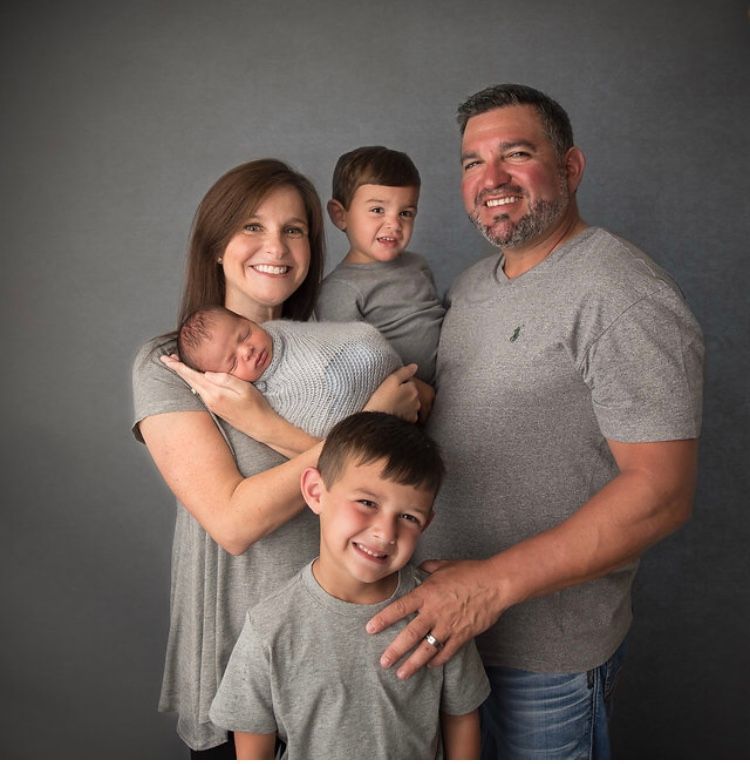
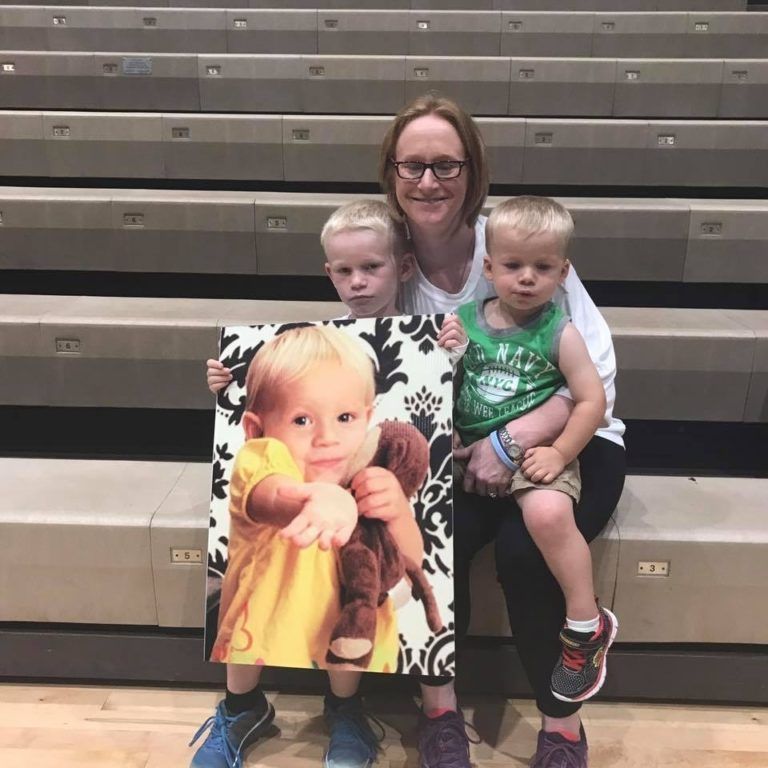
Nicole and her husband Darby, are proud parents of three boys, two here on earth, Jake(5) and Cam(1), and their Angel Riley(2) in heaven. Last summer, while at a neighborhood gathering, Riley slipped away for a few minutes. He was found in the neighbor’s swimming pool. The pool had a four sided fence but one of the gates were left open. While all efforts were performed to save Riley’s life, he gained his eternal angel wings 2 days later on July 2, 2018, just six days shy of his 2nd birthday. Since Riley’s accident, Nicole and Darby, have started the Blue Boot Foundation to bring awareness to their local community on drowning and water safety. They will host the Inaugural Blue Boot Rodeo, a fishing rodeo, to help educate the public on how common drowning is, ways to prevent drowning and how to be safer around all bodies of water. They are working with their politician’s as well to bring the Safer 3 curriculum into the education system locally as well as on a state level. They don’t want their story to be another family’s story and are working hard to educate everyone on the preventable tragedy of drowning.
Jessica Barnes
Director (Citrus Springs, FL)
Jessica Barnes is a devoted wife and mother of three—one precious angel and two boys here on earth. In 2010, her daughter Cayla tragically drowned one afternoon in the waters of Homosassa at just one year old. That heartbreaking loss became the driving force behind Jessica’s lifelong commitment to drowning prevention.
Jessica and her husband, Sean, founded Cayla’s Coats, Inc., a 501(c)(3) in Citrus County, Florida, honoring Cayla’s memory through water safety education, swim lesson scholarships, life jacket loaner stations, and coats for children in need.
An educator at heart, Jessica implements the Safer 3 curriculum in her first-grade classroom and throughout her school community. As a board member of Stop Drowning Now, she uses her passion, experience, and community connections to expand lifesaving water safety education—helping create safer water, safer kids, and safer responses.
Jessica and her husband, Sean, founded Cayla’s Coats, Inc., a 501(c)(3) in Citrus County, Florida, honoring Cayla’s memory through water safety education, swim lesson scholarships, life jacket loaner stations, and coats for children in need.
An educator at heart, Jessica implements the Safer 3 curriculum in her first-grade classroom and throughout her school community. As a board member of Stop Drowning Now, she uses her passion, experience, and community connections to expand lifesaving water safety education—helping create safer water, safer kids, and safer responses.

David Gorman
Director (New York, NY)
David has been with Stop Drowning Now since 2009. His vast knowledge and experience in not only drowning prevention, but government, finance and business makes David an integral part of our team.
Tara Girch
Board Member (Charleston, SC)
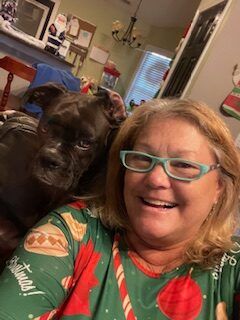
Tara started swimming as an infant and has never left the pool. Going from a junior Olympian at age 11 to a varsity swimmer in college. She has been teaching lessons since age 12. She became a certified lifeguard at 16 and started Martar with her husband in 1999. She has been an adapted PE teacher and special education teacher for over 30 years.
After relocating from Baltimore to Charleston, they have a backyard, in-ground, salt system, heated, and enclosed pool. She has lived in Charleston with her husband, Marty, and our two dogs, Raven and Sugarfoot. She is located very close to my little sister and her family, and her mother of 87 years. She looks forward to bringing the curriculum to the Charleston area and continuing to save lives through prevention.
After relocating from Baltimore to Charleston, they have a backyard, in-ground, salt system, heated, and enclosed pool. She has lived in Charleston with her husband, Marty, and our two dogs, Raven and Sugarfoot. She is located very close to my little sister and her family, and her mother of 87 years. She looks forward to bringing the curriculum to the Charleston area and continuing to save lives through prevention.

Dan Schoen
Board Member (Houston, TX)
Dan Schoen was born in St. Louis, Missouri, but got to Texas just as fast as his parents would allow! It is said that his Swiss mother made him the organizational maestro that he is, and his Hungarian father made him passionate about it (and everything else as well)! Throw in the Missouri “Show Me State” early influence and a larger-than-life Texas ideology upbringing and you have the makings of a guy that is serious about what he does!
Dan spent his college summers teaching swim lessons. It was then that his passion for drowning prevention began. That passion grew even more in 2009 when he and his wife, Tammy, opened their first swim school in Pearland, Texas, just south of Houston. Four years later came a second location in the northwest Cypress Houston area! There are now six locations of Houston Swim Club which serve the populous community of Houston, a city with many bodies of water and where lots of curious children reside!
Dan spent his college summers teaching swim lessons. It was then that his passion for drowning prevention began. That passion grew even more in 2009 when he and his wife, Tammy, opened their first swim school in Pearland, Texas, just south of Houston. Four years later came a second location in the northwest Cypress Houston area! There are now six locations of Houston Swim Club which serve the populous community of Houston, a city with many bodies of water and where lots of curious children reside!

Cindy Johnson
Ambassador (Tustin, CA)
Cindy brings her cum laude degree in accounting and finance along with over 40 years of corporate experience and serves as treasurer of Stop Drowning Now. Always concerned with water safety, Cindy and her husband Johnny founded the Swim for Life Foundation (now known as Stop Drowning Now) in 2004 and created the Safer 3 Drowning Prevention Program (Curriculum). She graciously served as Stop Drowning Now’s Treasurer from 2004-2019.

Johnny Johnson
Ambassador(Tustin, CA)
Johnny brings over 48 years of teaching experience at Blue Buoy. He has also coached high school water polo and swimming, synchronized swimming, and taught scuba. Many of Johnny’s students have achieved elite status in competitive swimming and water polo, including seven who have competed in the Olympics or set World Records. Johnny is a charter member and past president of the US Swim School Association and co-author of its Infant Toddler course that has been taken by thousands of instructors world-wide. Johnny is a past president of NDPA and past president of the Stop Drowning Now. In 2013 Aquatics International magazine selected Johnny as one of the 25 most influential people in aquatics over the past 25 years.
Johnny and his wife Cindy have forged a wonderful relationship during 47 years of marriage and as business partners. As co-owners of Blue Buoy Swim School, they each bring unique talents and experience to the partnership. They have raised two sons and are actively involved with their six grandchildren. Their oldest granddaughter is now teaching at Blue Buoy making it 3 generations in the pool. They have found the secret to balancing their professional and personal lives.
In 2010 Johnny and Cindy were presented with the USSSA Humanitarian Award for their efforts in drowning prevention. Johnny was awarded the Association’s Guiding Light Award in 1996 and honored with induction the Hall of Fame in 2004.
Johnny lead the Stop Drowning Now team from the very beginning as he served as Chairman of the Board from 2004-2019.
Johnny and his wife Cindy have forged a wonderful relationship during 47 years of marriage and as business partners. As co-owners of Blue Buoy Swim School, they each bring unique talents and experience to the partnership. They have raised two sons and are actively involved with their six grandchildren. Their oldest granddaughter is now teaching at Blue Buoy making it 3 generations in the pool. They have found the secret to balancing their professional and personal lives.
In 2010 Johnny and Cindy were presented with the USSSA Humanitarian Award for their efforts in drowning prevention. Johnny was awarded the Association’s Guiding Light Award in 1996 and honored with induction the Hall of Fame in 2004.
Johnny lead the Stop Drowning Now team from the very beginning as he served as Chairman of the Board from 2004-2019.